
5 Ways Maca Root Supports Hormonal Balance in Women
Oct 05, 2026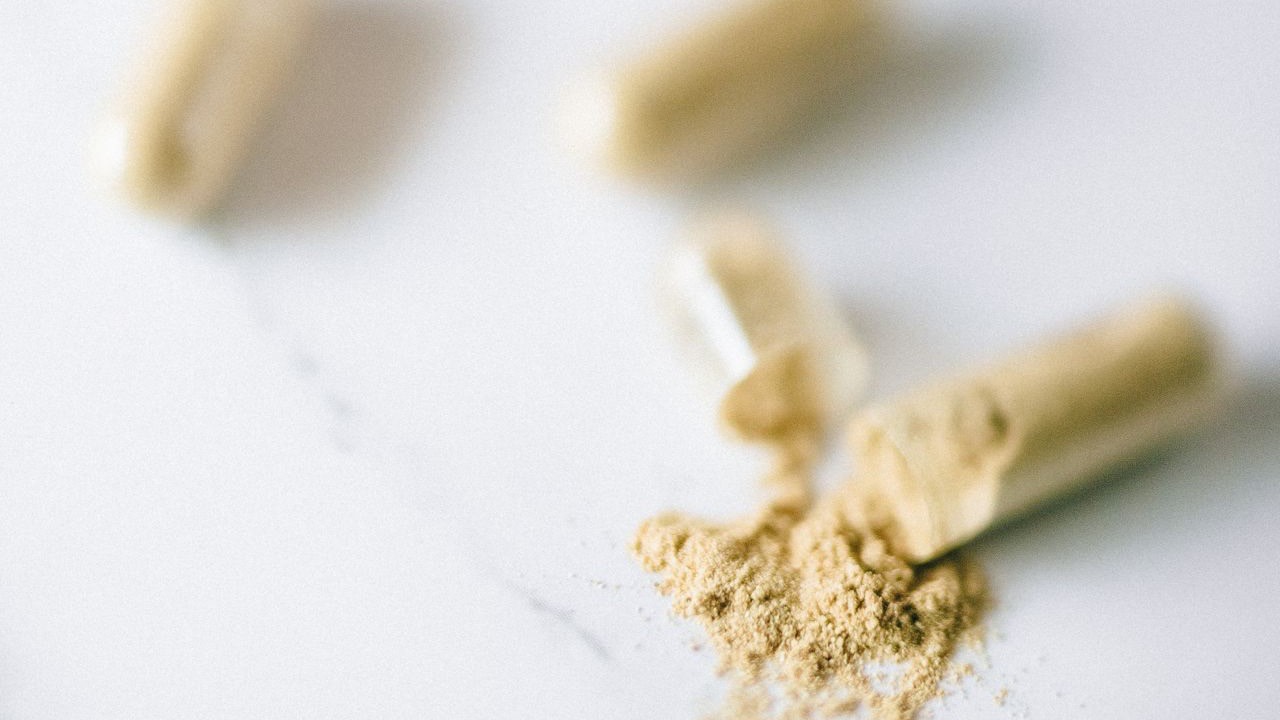
Photo by Nataliya Vaitkevich from Pexels
Hormonal fluctuations affect women throughout every life stage, from adolescence through menopause. Many women search for natural approaches to manage energy, mood, and physical symptoms that accompany hormonal shifts. Maca root, a plant native to the Andes mountains of Peru, has gained attention in wellness circles for its potential role in supporting hormonal health. Understanding how this adaptogenic herb works can help women make informed choices about their wellbeing strategies.
1. Regulates Estrogen and Progesterone Levels
Maca root contains compounds called glucosinolates and alkaloids that research suggests may influence hormone production at the glandular level. These active compounds do not directly introduce hormones into the body, but instead appear to support the endocrine system's natural ability to produce balanced levels of estrogen and progesterone. Women experiencing irregular menstrual cycles or symptoms associated with hormonal imbalance often report more consistent cycles after incorporating maca into their routines. The root works by nourishing the pituitary gland, which acts as the master control center for hormone release. This supportive action may explain why some women notice improvements in both cycle regularity and symptom severity. The mechanism is believed to be adaptogenic, meaning maca responds to the body's specific needs rather than forcing artificial hormonal changes.
2. Reduces Menopausal Symptoms
The transition to menopause brings significant hormonal changes that commonly trigger hot flashes, night sweats, mood swings, and sleep disruption. Maca root has been studied specifically for its potential to ease these symptoms during the perimenopausal and menopausal years. Several women report that daily maca consumption leads to fewer and less intense hot flashes within four to eight weeks of regular use. The herb's nutrient profile includes calcium, iron, and zinc, minerals that become increasingly important as estrogen naturally declines. Beyond symptom management, maca's phytonutrients may support mood stability and emotional resilience during this major life transition. For women considering alternatives or complements to conventional hormone replacement therapy, maca represents a plant-based option best evaluated in consultation with a qualified healthcare provider.
3. Improves Energy and Sexual Function
Hormonal imbalances often coincide with fatigue, low libido, and reduced sexual satisfaction, issues that compound stress and affect relationship quality. Maca root has been traditionally used in Peruvian culture as an aphrodisiac and energy enhancer for centuries, and modern research has begun validating these traditional applications. The plant's amino acids, including arginine, support blood flow and nerve function, which directly contribute to sexual arousal and sensation. Women managing perimenopausal transitions frequently rely on Red Maca to support libido and sustained energy during daily activity, as this variety is particularly noted for its hormone-balancing properties. Improved sexual function often correlates with better overall mood and confidence, creating a positive feedback loop in wellbeing. The energy boost comes not from stimulants like caffeine but from nutrient density that supports mitochondrial function and cellular energy production.
4. Stabilizes Mood and Emotional Health
Hormonal fluctuations drive many mood changes women experience, including anxiety, irritability, and depression that cluster around specific points in the menstrual cycle or life stages. Maca root contains phenolic compounds and alkaloids that interact with neurotransmitter systems responsible for mood regulation. Women using maca consistently report improvements in emotional stability, reduced anxiety, and better stress resilience. The herb's impact on serotonin and dopamine pathways appears to smooth out the emotional peaks and valleys that accompany cyclical hormone changes. Additionally, maca's high mineral content supports nervous system function, which strengthens the body's capacity to handle stress without becoming overwhelmed. The mood benefits typically develop gradually over two to three months, suggesting maca works through deep nutritional support rather than rapid symptom masking.
5. Enhances Nutrient Absorption and Metabolic Function
Beyond its direct hormonal effects, maca root improves the overall nutritional foundation that hormonal health depends upon. The plant contains selenium, manganese, and B vitamins that support thyroid function, adrenal health, and metabolic processes critical to hormone synthesis and balance. When nutrient deficiencies exist, the endocrine system cannot produce or utilize hormones effectively, creating a cascading series of imbalances. Maca's prebiotic fiber supports digestive health and the gut microbiome, which increasingly appears connected to hormone metabolism and estrogen reabsorption. Women with better nutrient absorption and metabolic efficiency often notice that hormonal symptoms improve broadly as the nutritional foundation strengthens. By addressing root nutritional needs, maca creates conditions for the body's own regulatory systems to function optimally rather than forcing external hormonal changes.
Conclusion
Maca root offers a multifaceted approach to supporting hormonal balance in women through its complex nutrient profile and bioactive compounds. The five primary mechanisms of action focus on enhancing the body's own regulatory capacity rather than replacing or artificially altering hormone levels. Women considering maca should recognize that results typically require consistent use over weeks to months, as the herb works through nutritional support and gentle metabolic influence. Individual responses vary based on overall health, diet quality, supplement interactions, and specific hormonal challenges, which is why consultation with healthcare providers remains important. For women seeking natural alternatives or complementary strategies to conventional approaches, maca root represents a well-documented plant option with centuries of traditional use and growing scientific interest. Starting with lower doses and monitoring personal response ensures safe integration into an existing health routine.