
A Beginner’s Guide to Easy Daily Habits for Whole-Body Wellness
Aug 10, 2026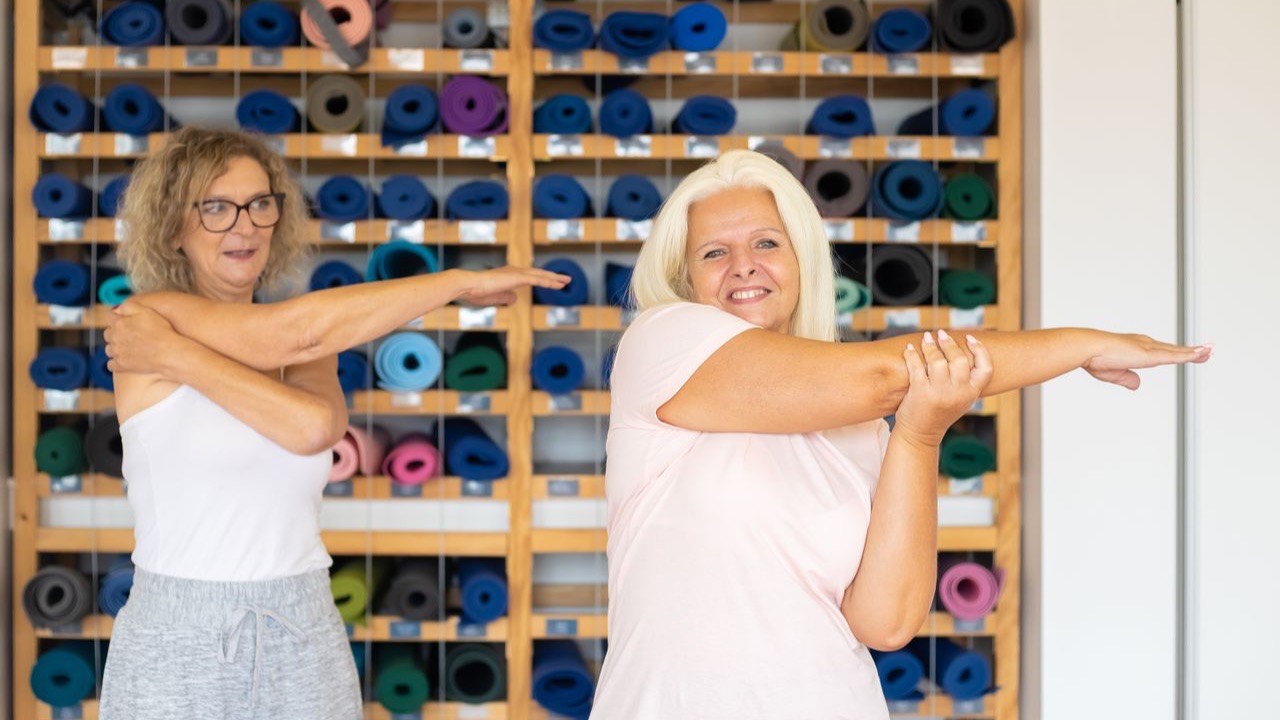
Photo by Kampus Production from Pexels
For busy parents juggling work, kids, and a never-ending to-do list, general wellness improvement can feel like one more job that never fits on the calendar. The common health challenges show up quietly, tired mornings, scattered focus, restless sleep, and that nagging sense of running on fumes. The good news is that daily health routines don’t have to be strict or time-consuming to support holistic well-being. With a few beginner health strategies that cover head-to-toe needs, small choices can start feeling like a steady reset.
Head-to-Toe Habits You Can Repeat Anywhere
Like packing light for a trip, the goal is a few dependable practices you can carry through chaotic weeks. Pick one, repeat it until it feels automatic, then add the next so your body and mind get steady support.
Two-Minute Morning Stretch
- What it is: Do a quick neck, shoulder, hip, and calf stretch right after waking.
- How often: Daily.
- Why it helps: It loosens stiffness and helps you start the day more alert.
Water-First Check-In
- What it is: Drink a glass of water before coffee, then refill a bottle.
- How often: Daily.
- Why it helps: It supports hydration and reduces mindless snacking.
Simple Sleep Landing
- What it is: Dim lights, set a phone cutoff, and do one calm page of reading.
- How often: Nightly.
- Why it helps: It cues your brain that bedtime is close.
Brush, Floss, Rinse Routine
- What it is: Brush two minutes, floss, and rinse using CDC tips for oral health.
- How often: Daily.
- Why it helps: It protects gums and keeps breath fresher with minimal effort.
Keep Your Mind Fit With Lifelong Learning That Reduces Stress
Lifelong learning is one of my favorite low-key ways to support mental well-being because it keeps your brain active and engaged while giving you a sense of forward motion. Picking up new skills (even ones that feel a little intimidating at first) can spark personal growth and, over time, build real confidence, especially when you notice yourself handling challenges with a calmer, more “I’ve got this” mindset. That boost in self-trust can take the edge off stress because you’re not just reacting to life; you’re developing tools to meet it.
If you’re craving something more structured, it helps to choose a program that matches your career needs, say you want to earn a business bachelor’s degree to strengthen skills in accounting, business, communications, and management, like an online bachelor's in business administration. An online degree can be valuable no matter your career track because it lets you build skills and momentum on a schedule that fits real life. And if learning ever feels overwhelming, the next section will help you troubleshoot the little snags that knock healthy intentions off course.
Everyday Wellness Questions, Answered
Q: How can I fall asleep faster without overhauling my whole night?
A: Start with one tiny “landing routine” you can repeat: dim lights, wash your face, and read 5 pages. If racing thoughts are the issue, try a quick breathing pattern or a short guided relaxation. Research on psychological interventions suggests these mind-body tools can improve sleep quality.
Q: What’s the fastest way to calm down when stress spikes mid-day?
A: Do a 60-second reset: unclench your jaw, drop your shoulders, and take 6 slow breaths. If you can, step outside or look out a window to give your brain a change of scenery. Then choose one “next right step,” like drinking water or replying to a single message.
Q: Should I wear sunscreen even when it’s cloudy or I’m mostly indoors?
A: Yes, it’s a smart default, especially if you’ll be near windows or outside for errands. The key risk is cumulative exposure, and UV radiation exposure is linked with a large share of skin cancers. Pick a broad-spectrum SPF 30 you actually like wearing.
Q: How do I build head-to-toe habits when I’m busy and inconsistent?
A: Shrink the habit until it fits your worst day: one stretch, one piece of fruit, one glass of water. Tie it to something you already do, like brushing teeth or starting your coffee. Consistency comes from making the action easy, not making yourself tougher.
Q: When should I rest instead of “pushing through” a workout?
A: Rest when you feel sharp pain, dizziness, illness symptoms, or serious exhaustion. Swap intensity for a gentle walk and a long stretch, then reassess tomorrow. Fitness is built in recovery as much as effort.
Your Simple Daily Head-to-Toe Checklist
This quick checklist turns “good intentions” into a tiny daily scan you can actually finish. A short log also helps you spot patterns before they snowball, and 15–20 minutes outside can be one of the simplest mood resets.
✔ Drink one full glass of water on waking
✔ Apply broad-spectrum SPF 30 to face, neck, and hands
✔ Eat one produce item before noon
✔ Take a 60-second breath reset between tasks
✔ Walk for 10 minutes or stretch for 3 minutes
✔ Do a 2-minute posture check: jaw, shoulders, hips
✔ Start a 5-minute wind-down: dim lights and read 5 pages
Check off what you can, then call it a win.
Turn Small Head-to-Toe Habits Into Everyday Steady Health
It’s easy to mean well and still watch healthy intentions get lost in the rush of normal days. That’s why a head-to-toe mindset, tiny, consistent self-care paired with quick check-ins, keeps motivation for health habits from fizzling out. When those small choices show up regularly, the benefits of consistent self-care start to feel obvious: more energy, fewer “mystery” aches, and real confidence from reflecting on wellness progress. Consistency turns self-care into a daily routine that supports you anywhere.