
Create a Calm and Energizing Wellness Room That Fits Your Life
May 25, 2026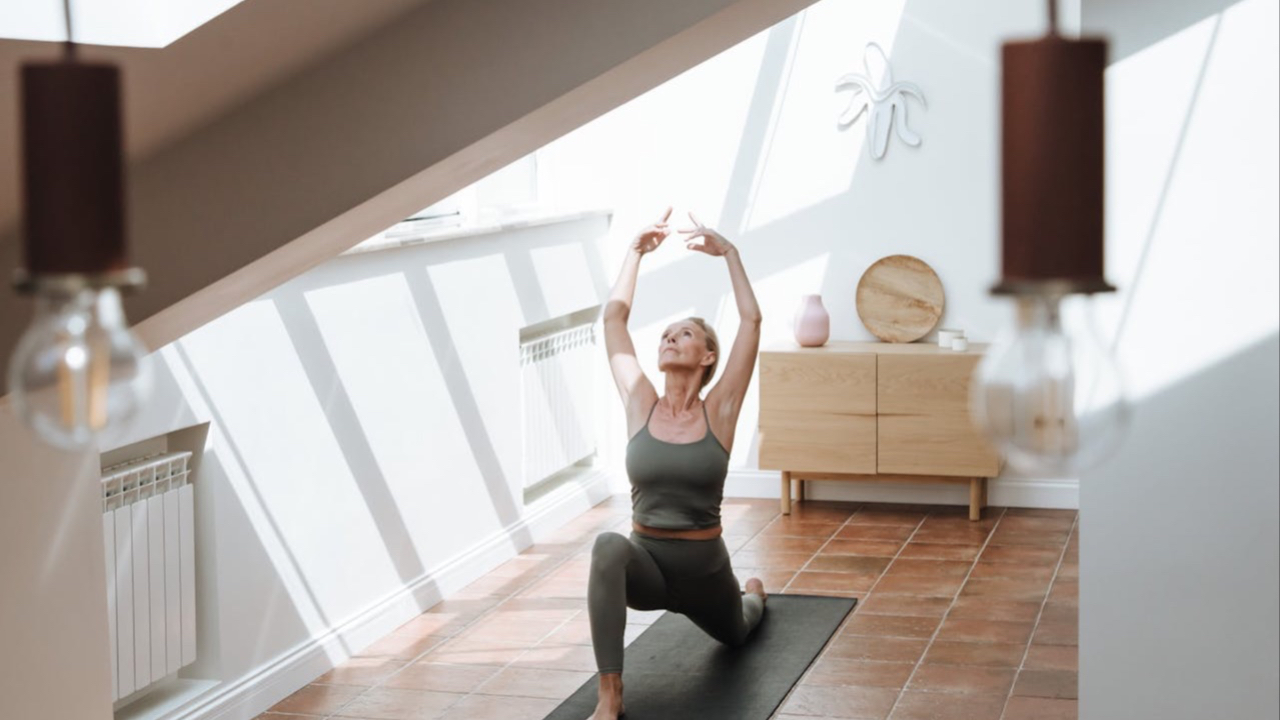
For women seeking wellness empowerment at home, especially beginners rebuilding confidence after a stressful season, the “spare-room gym” often turns into a guilt room. The tension is simple: a single-purpose setup collects clutter fast, and a space that feels like storage makes movement and stress relief strategies harder to return to. Between work, caregiving, and the mental load, most home wellness space challenges aren’t about motivation; they’re about a room that doesn’t match real life. A flexible wellness room design can make fitness, recovery, and calm feel like a natural part of the day.
What a Multipurpose Wellness Room Really Is
A multipurpose wellness room is one space that easily shifts between movement and recovery. Instead of building a tiny gym, you set up a calm, open footprint that supports yoga, strength work, stretching, and real rest with quick swaps.
This matters because stress does not wait for perfect conditions. When four in five workers report symptoms of poor mental health, a room that invites both sweat and exhale can help you show up more often.
Think of it like packing for a surf weekend: you bring a few essentials that cover many moments. One day it is a yoga flow and bands; later it is a stretch session after paddling, then a quiet corner to reset. Comfort comes next, starting with air quality and temperature.
Keep It Breathable: Airflow and Temperature That Make You Want to Use It
A flexible wellness room only works if it feels good the moment you walk in, before you’ve even rolled out your mat. Upgrading your HVAC can make a surprisingly big difference here: better air circulation helps the space feel fresh during a workout, while steadier temperature control keeps you from overheating in a flow or getting chilly the second you lie down to recover. The right system (and a well-tuned one) can also cut down on humidity that makes a room feel sticky, plus reduce allergens floating around, so your wellness space feels cleaner, calmer, and supportive year-round.
If you’re ordering replacement components, quality matters. Look for reputable suppliers so the pieces you buy are durable and actually compatible with your setup; if you need HVAC parts, start there and choose carefully. With the air feeling comfortable and consistent, you’ll be ready to map the room into simple zones that support movement, recovery, and relaxation without adding clutter.
Map Your Room in 4 Zones (No Extra Square Footage Required)
A flexible wellness room isn’t about having a giant space, it’s about having a plan. Think “smooth transitions”: you should be able to go from sweaty to serene in about three minutes without dragging equipment across the room.
- Sketch 4 zones on paper before you buy anything: Divide the room into (1) Move (yoga/strength), (2) Recover (stretch/meditate), (3) Store (gear + cleaning), and (4) Refresh the air (window/vent/fan path). Start by deciding what the room will focus on, even if it’s a 60/40 split between training and relaxation, so every purchase has a “home.” This also supports the breathable-room basics: keep at least one clear lane for airflow and don’t block vents or windows with tall furniture.
- Create a “drop zone” that prevents floor clutter: Put a slim shelf, wall hooks, or a small closed cabinet right by the door for resistance bands, a towel, hair ties, and your water bottle. The goal is to stop that slow creep of stuff that makes the room feel chaotic and dusty. Keep a small basket labeled “today” for the items you’ll actually use in the next 24 hours, everything else gets put away.
- Use hidden storage that respects your movement space: Prioritize vertical and behind-the-door storage so your Move zone stays open and inviting. A bench with lift-up storage can hold blocks, straps, and light weights while doubling as a calm place to sit and breathe after a session. If you’re tight on space, choose pieces designed to maximize space instead of adding more bins on the floor.
- Layer your lighting for “energize” and “exhale”: Aim for bright, even light in the Move zone and softer, warmer light in the Recover zone. If you can, keep window areas visually “light” (no bulky bookcases), because natural light changes the whole mood, some research links happiness to having 40 percent or more of wall space dedicated to windows. Add one dimmable lamp or a warm bulb in a shaded corner so your nervous system gets a clear cue that it’s time to downshift.
Wellness Room Questions Real Beginners Ask
Q: How do I keep a wellness room from feeling like a gym all day?
A: Choose one “active” focal point (mat or weights) and keep everything else visually calm. Add one soft element you only use for recovery, like a cozy throw on a chair or a cushion for breathwork. When your workout ends, put away the loudest-looking item first so your brain gets an instant “we’re done” cue.
Q: How do I maintain it day-to-day without turning it into another chore?
A: Make a two-minute closeout: wipe high-touch spots, air it out, and reset one surface. Americans feel their best, mentally and physically when their home is clean, so this tiny habit pays you back fast.
Q: Which upgrades are actually worth the money first?
A: Start with lighting, airflow, and storage because they impact every session. Natural light is key and a dimmable lamp helps you switch from “power” to “peace” on demand.
Build Home Remodeling Confidence With One Wellness Room Corner
It’s easy to get stuck between wanting a calm retreat and a place to move, and then waiting for the “right” time, budget, or square footage. The gentler approach is the one that works: shape a flexible wellness room around what supports today, and let it evolve into a supportive environment that holds both sweat and stillness. With that mindset, home remodeling confidence grows, and mind-body harmony at home starts to feel like something real, not something postponed. Start small, and let the room grow with you.