
Creative Ways to Keep Travel Memories Without Home Clutter
Oct 26, 2026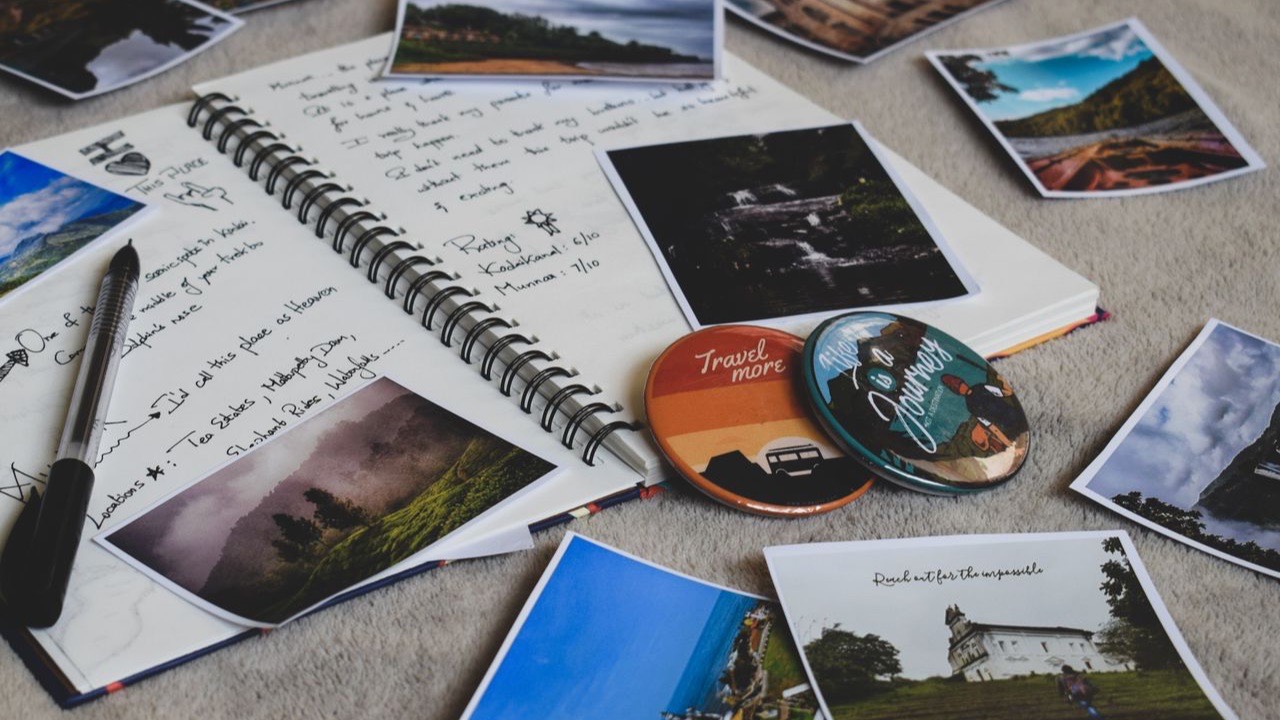
Photo by charan sai from Pexels
Frequent weekend trippers, once-a-year vacation planners, and study-abroad alumni often come home with the same quiet problem: travel memory clutter that starts as “just a few keepsakes” and turns into drawers of forgotten trinkets. The tension is real, travel souvenirs for travelers feel like proof the trip mattered, but most purchases don’t age into meaningful travel memorabilia. When souvenirs become objects to store instead of stories to revisit, the memories can feel oddly harder to reach. A more intentional keepsake collection makes room for space-conscious travel mementos that still hold real emotional weight.
How to Spot Meaningful Souvenirs
A helpful rule is to sort souvenirs by staying power, not cuteness. Use simple decision criteria to predict what you will still care about later: does it trigger a specific story, fit your real life, and feel personal without needing quantity? That lens also helps you notice when you are shopping for a mood instead of a memory.
Impulse buys are often easy yes decisions, especially when they are cheap and everywhere. Meaningful keepsakes act like external memory cues, pulling you back into a moment with surprising clarity. When you choose recall, you need fewer objects to feel more connected. Picture a market table of keychains versus one small item tied to a real moment, like a ticket stub you later frame. The keychain is a reflex; the stub is a doorway.
Turn One Favorite Travel Photo Into Portrait-Worthy Art
Once you’ve gotten good at choosing one souvenir that really means something, it’s even more powerful when that memory can live on your wall instead of on a shelf. Creating an AI portrait from a favorite travel photo can turn a fleeting moment, a grin in a night market, a windswept lookout, that one perfect café corner, into a personalized piece of art that preserves the feeling of the trip.
An AI portrait generator makes it possible to work from your own photo or even a simple text description, translating your memory into a realistic, stylized digital portrait. The best part is how much control you can have over the final look: you can adjust lighting to match the mood you remember, tweak the angle to flatter the scene, and add artistic effects until it feels “portrait-worthy” rather than like just another print. If you’re curious about the idea, tools to generate AI face portraits can help you explore those options.
Try 9 Space-Saving Ways to Use Memories Every Day
One of the nicest shifts I’ve made as a traveler is choosing memories that do something, they get used, enjoyed, or displayed with intention, rather than sitting in a “someday” pile. If you already picked one favorite photo to turn into portrait-worthy art, these ideas help everything else earn its space.
- Give yourself a tiny “souvenir quota” per trip: Pick a container before you leave, one zip pouch or a small box, and decide that’s all the physical stuff that comes home. This simple limit makes you choosier in the moment, and it keeps space-saving travel mementos from quietly spreading to drawers and shelves. If something doesn’t fit, you can photograph it and move on.
- Collect flat paper on purpose (postcards, tickets, maps): Aim for 5–10 pieces of “flat memories” that store easily: postcards, museum tickets, transit cards, a tiny map. The fun part is that you’re not alone, 36% of travelers collect postcards, so it’s a tried-and-true souvenir that doesn’t demand shelf space. At home, slide them into a slim binder, a rotating frame, or a single pinned row on a cork strip for a personalized travel display.
- Turn your best small items into functional travel keepsakes: Pick one item you’ll touch weekly, keychain, luggage tag, pouch, or a simple scarf, and “upgrade” it with a memory. Stitch on a tiny patch, knot a meaningful charm, or attach a short tag with the place and date. If it breaks or feels worn out, that’s okay, it did its job by keeping the memory in your everyday life.
- Make a “use-it-up” souvenir from local food culture: When I don’t want more objects, I shop for something consumable: a spice blend, tea, or a small jar that fits in a suitcase corner. This pairs beautifully with the fact that 77 percent enjoy grocery store tourism, meaning the store itself becomes part of the story. Tape the label into your travel notebook and write what you cooked, memory saved, clutter avoided.
- Build one travel page per trip (a fast DIY travel memory project): Give yourself 20 minutes: print 3–5 small photos, add one flat paper piece, and write a six-line recap. Keep it in a slim notebook or a folder, one trip, one page, done. This scratches the “scrapbook” itch without the sprawling supplies.
- Create a “digital shadow” for anything you don’t keep: For every object you don’t bring home, snap a photo in context (in your hand, on the market table, in the café). Make one album per trip and caption three images with specifics, prices, smells, who you were with, because details are what fade first. The result is a creative travel souvenir that takes up zero physical space.
- Rotate one intentional display zone (instead of filling shelves): Choose a single spot, a picture ledge, a tray, or one shadow box, and set a rule: 3–7 items only, swapped seasonally. Put your AI-styled portrait print as the “anchor,” then rotate smaller pieces around it so your wall tells the bigger story without multiplying frames. This keeps personalized travel displays fresh and contained.
- Frame a mini “collection” as one object: If you love tiny finds (coins, metro cards, pressed flowers), group them into one frame with labeled sections. One frame counts as one thing, but it holds many moments, and it looks intentional instead of cluttered.
- Assign a decision deadline for regret buys: If you’re unsure about an item, set a 30-day timer. If you haven’t used it, displayed it, or genuinely loved seeing it by then, photograph it, keep the story, and let the object go.
Travel Keepsakes Without Clutter: Common Questions
Q: What’s a simple strategy to avoid impulse souvenirs?
A: Decide your “yes list” before you shop: one functional item, a few flat papers, and one edible. If you want extra guardrails, pre-pick three price points you feel good about, like “$5, $15, $40,” and only buy within them. I like this because donors will give more, prompted with specific amounts, and a tiny preset menu works the same way for intentional choices.
Q: How do I deal with a purchase regret without feeling guilty?
A: Keep the story, not the object. Take a clear photo, write one honest sentence about why you bought it, then donate or gift it with a clean conscience. The memory is yours either way.
Q: What photo-based keepsake works if I never print pictures?
A: Make one album per trip and add captions to five photos so future-you will remember the details. Choose one image to set as your phone lock screen for a month, so the trip stays present without adding stuff.
Q: Can I keep collections like tickets or coins without them turning into clutter?
A: Yes, but give them a “container home,” like one frame, one binder, or one small box. If it is full, you curate, not expand.
Q: When should I declutter souvenirs I once loved?
A: When the item no longer sparks a clear story or has a job in your home. Photograph it in good light, note the place and year, and let that be enough.
Curating Meaningful Travel Memories Without Filling Every Shelf
It’s easy to come home with a suitcase full of good intentions and end up with a house full of objects that don’t quite hold the feeling of the trip. The gentler path is purposeful souvenir curation, choosing meaningful travel mementos that earn their place through travel memory reflection, not impulse. When the focus shifts to the story behind cherished travel keepsakes, avoiding home clutter stops feeling like deprivation and starts feeling like clarity. Keep the story, not the stuff.