
Discover Simple Creative Habits That Help You Relax and Recharge
Sep 07, 2026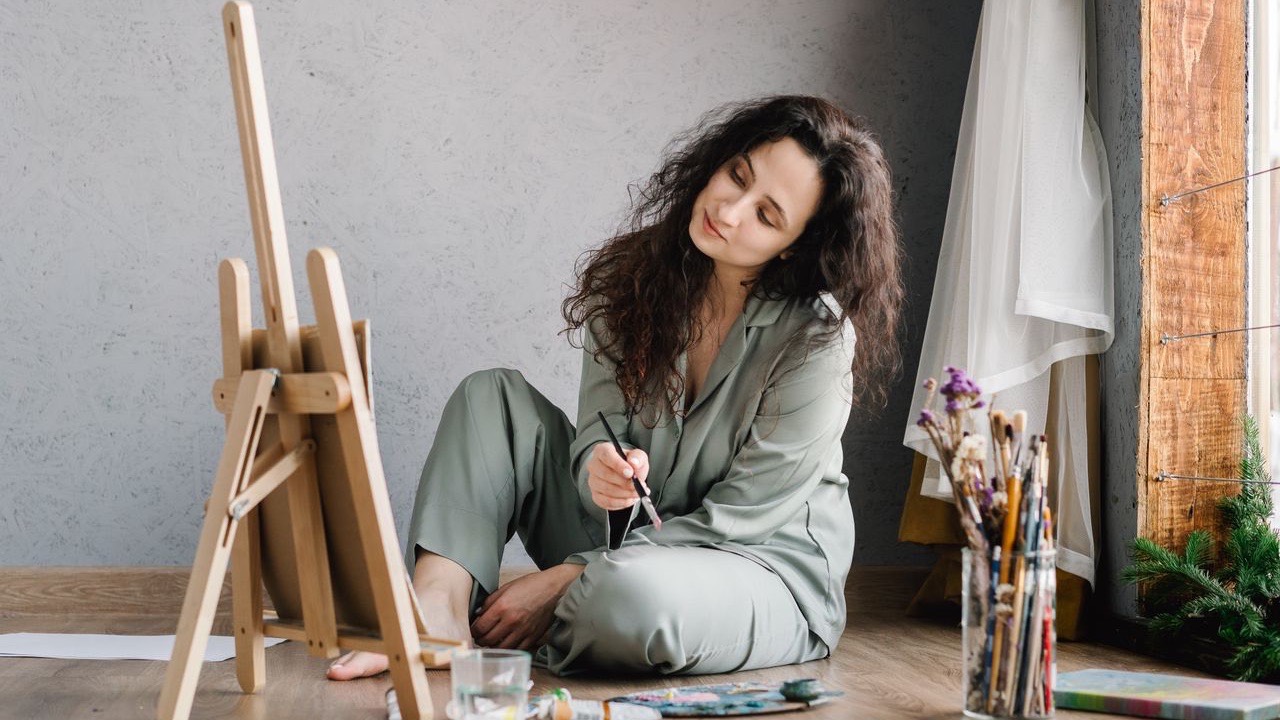
Photo by Mikhail Nilov from Pexels
Busy parents juggling work and wellness, caregiving, and daily logistics often carry a constant hum of everyday stress challenges that never fully shuts off. Even with good intentions, stress management for general readers can feel like one more task, especially when energy and time are already stretched thin. Creative outlets for stress relief offer a different starting point: simple, beginner creative activities that create a brief mental reset without requiring talent, pricey supplies, or long stretches of quiet. With steady practice, creativity can support calmer moods and meaningful mental health improvements through creativity.
Why Creativity Calms the Stress System
Creative stress relief works because it changes what your brain is doing, not just how your body feels. When you make something, your attention shifts from looping worries to a focused task, and that mental “channel change” can dial down stress. Creativity also invites new ideas and possibilities bu generating new ideas, which helps you feel less stuck.
This matters on chaotic days because you do not need perfect calm to get a benefit. A few minutes of mindful making can create a clearer head, steadier emotions, and a sense of control you can return to. A meta-analysis found a statistically significant but relatively weak relationship between mindfulness and creativity, which supports pairing creativity with gentle attention training.
Picture a tense afternoon: you grab a pen and sketch one object on the counter for five minutes. Your breathing settles because your mind has a single, concrete job. You finish with a small win, not a to-do. That same focus gets even easier with photo-taking, especially outdoors, then polishing a favorite shot with simple AI upscaling.
Practice Mindful Photography: Shoot, Reflect, and Gently Enhance Images
Once you know creativity helps settle your stress response, photography offers a simple way to practice that calm in real time. Taking photos can be a mindful, soothing outlet because it invites you to focus on the present moment as you notice light, texture, and small details you might otherwise rush past. Whether you’re capturing meaningful scenes, everyday beauty, or a quiet moment in nature, the act of composing a shot can gently pull attention away from worries and into what’s right in front of you.
If you enjoy the results and want to refine a favorite image, an AI image optimization tool can be an easy next step. An AI image upscaler boosts resolution and clarity so you can enlarge photos while preserving detail and visual quality; the Adobe Firefly AI image upscaler feature is one option to explore.
Try 8 Low-Pressure Creative Hobbies to Unwind This Week
Creativity doesn’t have to mean “making something impressive.” Think of these as small, low-stakes experiments that help your mind shift gears, similar to mindful photography, where noticing light and detail matters more than getting a perfect shot.
- Do a 5-minute “thumbnail sketch” of something ordinary: Pick a mug, plant, or your own hand and draw it in tiny boxes (aim for 6 quick sketches). The point is speed, not accuracy, your brain gets a break from looping thoughts while your attention stays anchored to shapes and shadows. If you already take mindful photos, sketch from one of your favorite images to relive the calm of the moment.
- Try “continuous-line” doodling to quiet perfectionism: Put your pen down and draw a face, leaf, or skyline without lifting it for 60–90 seconds. This forces you to stay present and accept wobbly lines as part of the process, great when stress makes you over-edit everything. Add one simple rule (only curves, only triangles) to keep it playful.
- Use expressive journaling with a timer and a closing sentence: Set a timer for 7–10 minutes and write the unfiltered version of what’s on your mind, even if it’s repetitive. Then add one closing line that gently contains it, such as “For today, this is enough,” or “The next small step is ___.” This keeps journaling supportive instead of turning into a spiral.
- Make a “photo caption journal” from your camera roll: Choose one photo per day and write 3 lines: what you notice, what you feel, what you need. It builds on mindful photography by turning observation into meaning, without needing a long entry. If you enhanced a favorite photo earlier, journal about what changed when you saw details more clearly.
- Play with sound, no musical skill required: Make a 10-minute “sound bath” using humming, tapping a tabletop rhythm, clapping patterns, or shaking a jar of rice like a soft shaker. Many people worry they’re “not musical,” but don’t need musical skills to benefit from music-based stress support. Keep it private and simple: one steady beat and one gentle tone is plenty.
- Build a 3-song mood shift playlist (and listen actively): Pick one song that matches your current mood, one that’s slightly lighter, and one that feels grounded. Listen with “photographer ears”: notice layers like bass, vocals, and silence the way you’d notice contrast and texture in an image. This gives your nervous system a gradual ramp instead of a forced “cheer up.”
- Make a tiny DIY craft you can finish in one sitting: Try folding a simple paper shape, making a taped collage from junk mail, or wrapping a pencil in thread for a textured grip. Choose a project with a clear stopping point (15–30 minutes) so it restores a sense of control. Keep a small “finishable” box of supplies, paper, tape, scissors, markers, so starting takes less than a minute.
- Create a “stress-to-something” art card: On an index card, scribble your stress with your non-dominant hand for 30 seconds, then transform it by outlining one shape you can find inside the mess. Add two colors and a title (even a funny one). Creative activities can be powerful for stress relief, and a systematic review of art-therapy research highlights how effective this kind of making can be.
Stress-Relief Creativity: Questions People Ask
Q: What if creative stress relief doesn’t “work” for me?
A: It may not feel soothing on day one, especially if your mind is racing. Try a tiny, repeatable experiment for three days, then notice if you recover faster after stress hits. Aim for “slightly calmer” or “more focused,” not instant peace.
Q: How can I fit this into a packed schedule?
A: Treat it like a micro-reset: 2 minutes while coffee brews, 5 minutes between tasks, or 10 minutes before bed. A time management definition frames it as managing yourself for maximum activity, so pick a time that supports your energy, not a perfect routine.
Q: What should I do when I hit a creative block and feel stuck?
A: You are not broken. Creative blocks often show up as reduced creative thinking, so switch to low-decision prompts like copying shapes you see, tracing a simple outline, or choosing two colors only.
Q: Can this become another thing I “should” do and stress about?
A: Yes, if the goal turns into performance. Set a stop rule before you start, such as one song, one page, or one card, then quit on purpose. Ending on your terms keeps it supportive.
Q: When is the best time to practice if I’m already exhausted?
A: Use the lowest-friction option that matches your state. If you are drained, choose passive creativity like listening actively; if you are keyed up, choose something rhythmic or repetitive. The right time is when it reduces tension, even a little.
Create a Tiny Creative Habit for Calmer Daily Stress
Stress has a way of making self-care feel like one more task, and creativity can get sidelined or turned into pressure. The approach here is simple: use gentle, low-stakes creative practice as motivating creative stress management, and let it live alongside other holistic approaches to mental health. Over time, sustaining creative motivation becomes easier because the ritual is small, repeatable, and rewarding. One of the long-term benefits of creative habits is a steadier mood and a clearer signal that you can cope. Small creative rituals build big resilience over time.