
How Achieving Your Fitness Goals Positively Impacts Not Only Your Health, But Your Wellness
Oct 05, 2026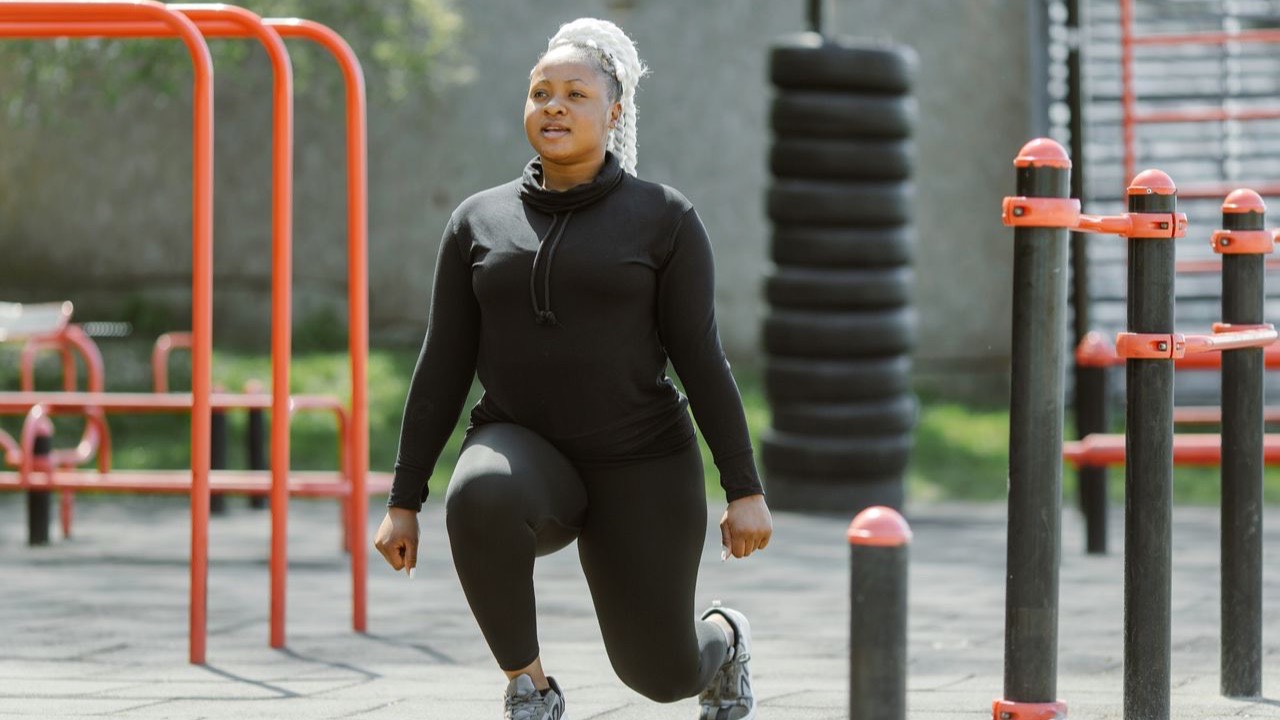
Photo by Gustavo Fring from Pexels
Most people start a fitness journey with something specific in mind, whether it's dropping a few pounds, building strength, or simply having more energy to get through the day. What catches many off guard is just how far those benefits actually reach. Achieving your fitness goals does more than reshape your body; it changes the way you think, feel, and show up in the world. The ripple effects of consistent physical effort touch virtually every corner of your life in ways that are both measurable and deeply personal.
The Physical Rewards Go Beyond the Scale
When most people think about fitness progress, they zero in on visible changes like a slimmer waistline or more defined arms. The internal physical benefits, though, are just as significant and arguably more impactful over the long haul. Regular exercise strengthens the cardiovascular system, improves lung capacity, and gives the immune system a meaningful boost. It also plays a critical role in regulating blood sugar levels, dialing down inflammation, and supporting hormonal balance throughout the body. These physiological shifts create a foundation for a longer, healthier life that goes well beyond how things look on the outside.
Mental Health Benefits That Come With Consistent Exercise
One of the most underappreciated outcomes of reaching fitness milestones is the profound effect on mental health. Exercise triggers the release of endorphins, serotonin, and dopamine, neurotransmitters that regulate mood and emotional well-being in meaningful ways. People who exercise consistently tend to report lower rates of anxiety, depression, and chronic stress compared to those living more sedentary lifestyles. The discipline required to maintain a fitness routine also builds greater mental resilience and emotional stability over time. Eventually, the gym stops feeling like a chore and starts functioning more like a coping tool, a reliable way to process life's daily pressures and come out steadier on the other side.
How Fitness Supports Hormonal Balance and Long-Term Vitality
Hormones play a central role in how people feel, function, and age, and physical activity has a direct influence on hormonal health. Exercise helps regulate cortisol, the body's primary stress hormone, while also supporting healthy levels of testosterone and estrogen, both of which are essential for energy, mood, and metabolism. As the body ages, natural hormone production begins to decline, which can lead to fatigue, unwanted weight gain, and a noticeable dip in motivation. This is why some individuals pursuing comprehensive wellness explore options like bioidentical hormone replacement therapy as part of a broader strategy for maintaining vitality and performance. Pairing consistent fitness habits with proactive hormonal support creates a powerful synergy that can meaningfully elevate overall well-being.
The Social and Lifestyle Gains of an Active Life
Fitness rarely operates in isolation; it tends to spark a wider lifestyle shift that extends into social and relational areas of life. People who commit to their fitness goals often find themselves gravitating toward like-minded individuals, whether through group fitness classes, running clubs, or local wellness communities. Those social connections contribute meaningfully to emotional health and create a natural sense of accountability that keeps the habit alive. Beyond the social dimension, an active lifestyle tends to encourage better sleep, smarter nutrition choices, and less reliance on habits like stress eating or excessive alcohol consumption. It's a holistic kind of transformation that starts with movement and quietly expands into nearly every corner of daily life.
Building Self-Confidence Through Personal Achievement
There's something uniquely powerful about setting a goal, putting in consistent work, and actually reaching it. Each fitness milestone, whether it's finishing a first 5K, hitting a personal record in the gym, or simply showing up three times a week without fail, adds to a growing sense of self-efficacy. That confidence doesn't stay contained to workout sessions; it spills into professional pursuits, personal relationships, and creative endeavors in ways that can be genuinely surprising. When someone proves to themselves that real change is possible through effort and consistency, that same mindset naturally starts applying to other areas of life. Fitness becomes a vehicle for personal growth, not just a path to physical improvement.
Conclusion
The journey toward better fitness is rarely just about the body. It's a comprehensive investment in health, mindset, relationships, and sense of self, one that compounds quietly over time. Every workout completed, every goal reached, and every healthy choice made builds toward a life that feels more vibrant and more intentional. Whether someone is just getting started or refining a routine they've had for years, the benefits of consistent effort reach far deeper than the surface ever reveals.