
How Menopause Can Affect Muscle Strength and Balance
Oct 26, 2026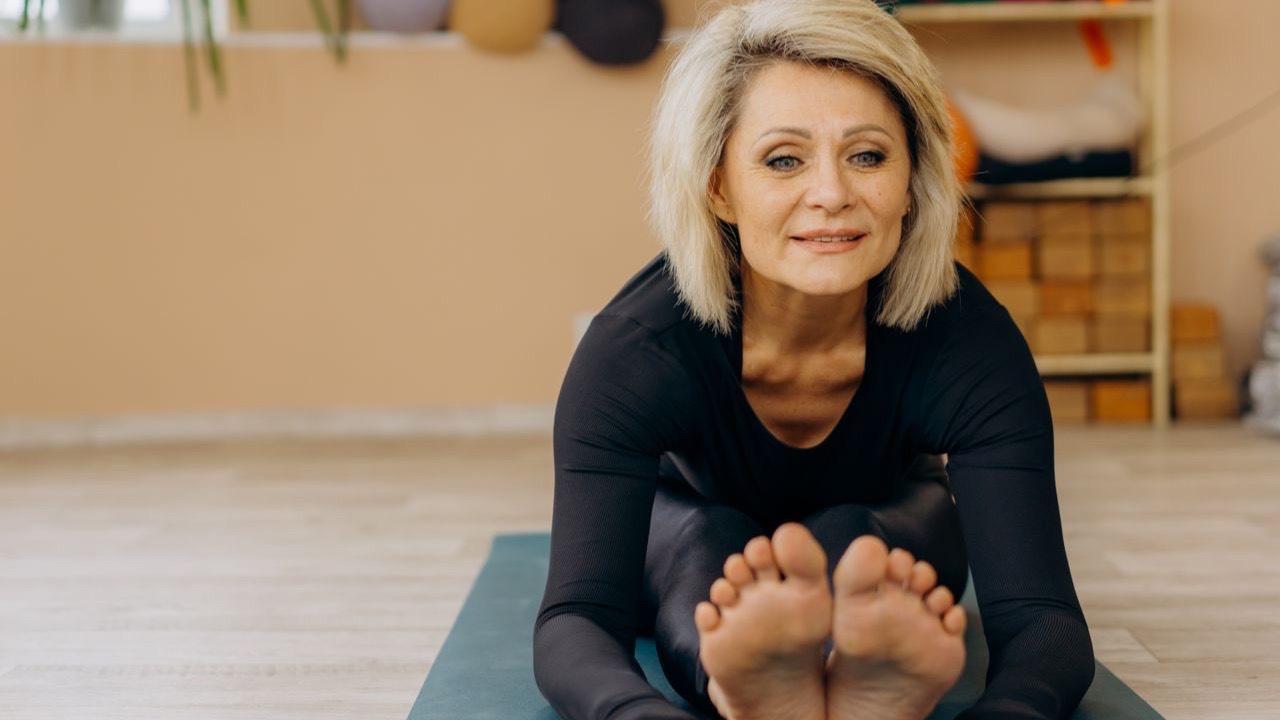
Photo by Mikhail Nilov from Pexels
Menopause can present itself in many ways. Maybe you’ve noticed less spring in your step or find yourself fatigued after a walk that once felt effortless. These are all signals that your body is changing.
As your hormone production naturally fluctuates during perimenopause and menopause, you start to lose bone mass much faster. Estrogen plays a major role in maintaining bone density and preserving muscle mass. When these levels decline, it can raise your risk of developing conditions that affect your strength and balance. The good news is that there are ways to address the changes and maintain your strength, from simple exercise to nutrition strategies.
Warning Signs of Muscle Weakness
Nearly one in five women between 40 and 55 years old experiences physical limitations during and after menopause. These difficulties increase as you age, with around 50% of women aged 56 to 66 experiencing trouble with day-to-day activities.
Watch for these signs that your muscles need more support:
- Struggling with everyday grip strength: This could present as trouble opening jars or needing two hands to turn tight door handles.
- Tiring more quickly from carrying items: Grocery trips that were once easy may leave your forearms burning, or lifting packed carry-on bags into overhead bins may feel more daunting.
- Sluggish muscle recovery: You may notice that routine activities like gardening or a walk around the neighborhood leave your legs sore for days rather than hours.
- Difficulty pushing up from low seating: You might find yourself using your arms to push off armrests when rising from a deep chair or when seated on the floor.
Your muscle strength won’t vanish overnight. Instead, you’ll likely notice these subtle changes that feel like tiredness. That’s why it’s important to pay attention to them so you can respond proactively and maintain your strength.
Warning Signs of Balance Loss
Just as muscle tone changes, your balance also adjusts with menopause. When estrogen and progesterone levels decline, it affects various structures and systems involved in balance — the inner ear and the nervous system.
Watch for these changes in stability:
- Hesitating on stairs: You might find yourself taking stairs one step at a time, especially when you’re walking in dim lighting.
- Reaching out to furniture for support: You may unconsciously trail your fingertips along countertops or chairs as you move through your home.
- Wobbling during single-leg movements: You step more carefully into your shoes or stand uncertainly while washing your feet in the shower because you fear losing your balance.
- Uncertainty on natural terrain: You may feel more cautious than usual while walking across sandy beaches or hiking paths and other natural terrain.
Losing your footing is more than inconvenient, as it can affect your independence. Falls among older adults can cost over $3,230 and make it tough to live on your own without needing extra support. Balance and strength exercises can be a powerful defense for your future self.
How Menopause Affects Your Bones and Joints
As estrogen levels decline before and during menopause, your bones lose density, and your joints become stiffer. In fact, women can lose up to 20% of their bone mass within five to seven years after menopause due to low estrogen levels. Lower estrogen can also make it tougher for your body to absorb calcium and vitamin D.
Estrogen’s anti-inflammatory properties mean that when levels drop, your joints become stiffer and ache more. You may feel this across your shoulders, hips and lower back. Muscle mass decline, or sarcopenia, can also occur, affecting your strength and balance and increasing the risk of falls.
When to Consult Professionals
Everyday joint stiffness may feel more common as you get older. Take notice if you experience persistent, sharp back pain, numbness or weakness in your feet that affects how you walk, or a burning feeling that radiates down your hips or legs.
These symptoms could point to spinal canal narrowing from aging, bone spurs, osteoarthritis or related conditions. An experienced specialist can help determine if you’re experiencing typical menopause symptoms or need medical care.
How to Rebuild Strength and Stability
Your body can rebuild and get stronger at any age. With regular strength exercises and the right nutrition, you can reclaim your strength and protect your mobility.
Grounding Movement Practices
You don’t need to spend all day at the gym to regain your physical strength and confidence. Some easy habits that can help include resistance training. Lifting weights, using tension bands or performing body weight movements like squats and wall push-ups can help you maintain bone density and rebuild lean muscle. Experts recommend balance exercises along with resistance training twice a week to prevent falls.
Micro-balance drills help you maintain your balance with everyday movements, such as standing on one leg while brewing your morning coffee or performing gentle yoga poses like the tree pose. You can also try a heel-to-toe exercise along a straight line in your hallway.
Nutrition for Strong Bones and Muscles
Your body needs the right nutrients to repair muscle and protect bone mass. Try nutrition tips to keep your strength, such as adding more protein to your plate. Your body needs more protein as you get older to help rebuild muscle tissue. Research finds that a high-protein diet can help older women build stronger muscles and stay active.
Eating calcium-rich foods, such as leafy greens and plain low-fat yogurt, is beneficial because they contain calcium to protect your bones, but you’ll likely need certain vitamins to help absorb it. Talk with your doctor about adding D3 or K2, which may help your body better absorb and use calcium to support bone strength.
Reclaim Your Strength and Balance
Menopause brings real physical changes, but you can maintain your strength or balance. Your muscles and bones can respond to training at any age. Start small today by practicing balancing on one leg while you brush your teeth, adding extra protein to your dinner or taking a brisk walk around your neighborhood. Consistency is what counts, and every tiny habit can help protect your strength and independence for years to come.