
How Nature and Adventure Support Mental Health Recovery
Jul 27, 2026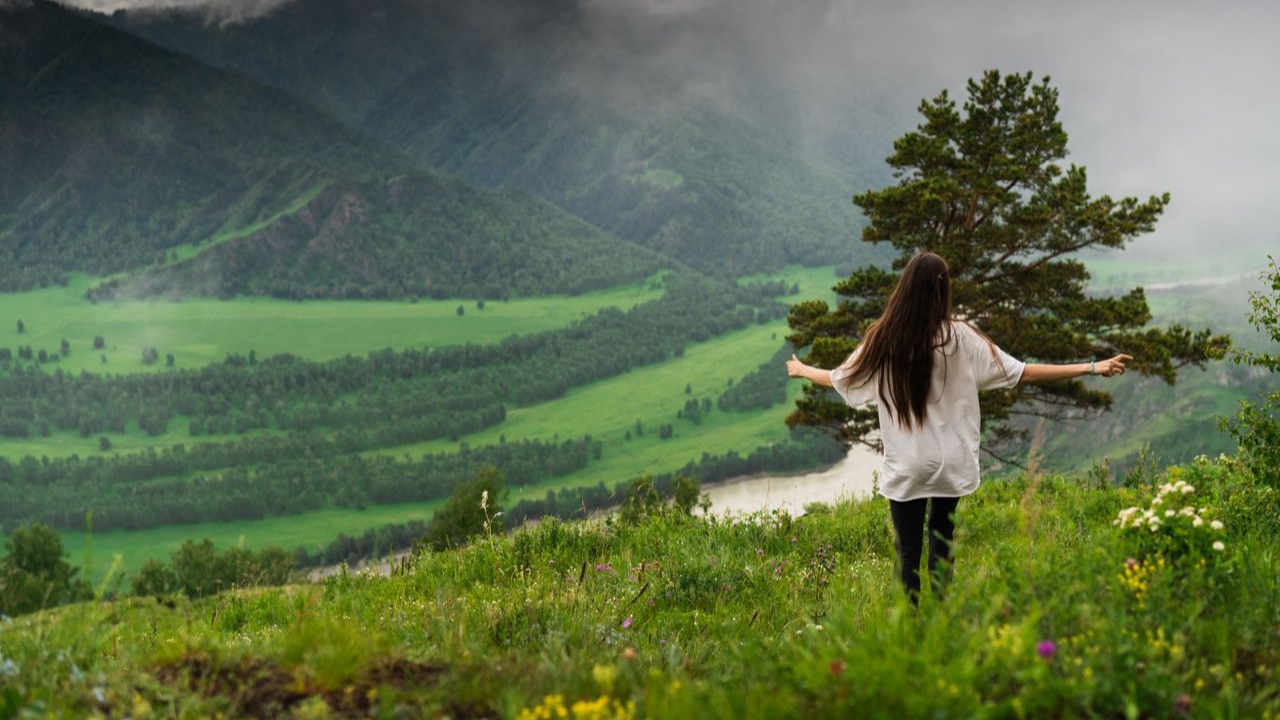
Photo by Dmitriy Piskarev from Pexels
In our fast-paced, digitally driven world, the prevalence of mental health struggles has reached an all-time high. Modern life often traps us in a cycle of constant notifications, sedentary office environments, and overwhelming cognitive loads. As we search for effective ways to manage stress, anxiety, and the lingering effects of burnout, we frequently overlook the most accessible remedy available to us: the natural world. Engaging with nature and pursuing outdoor adventures offers more than just a temporary escape; it provides a profound, science-backed pathway to mental health recovery and sustained well-being.
The Science of Biophilia and Stress Reduction
Human beings have an innate evolutionary connection to the natural world, a concept known as the biophilia hypothesis. For the vast majority of our history, we lived in direct contact with wild environments. Only recently have we shifted into indoor, urbanized lifestyles. When we return to nature, our physiological and psychological systems respond with immediate relief.
Research into ecotherapy highlights that spending time in green spaces significantly lowers cortisol levels, which is the body's primary stress hormone. When you walk through a forest or sit by a quiet stream, your nervous system shifts from the sympathetic "fight or flight" mode into the parasympathetic "rest and digest" state. This transition is not merely subjective; it is measurable through decreased heart rates, lower blood pressure, and improved immune function.
Beyond basic stress reduction, nature acts as a catalyst for cognitive restoration. According to Attention Restoration Theory, urban environments drain our limited cognitive resources because they require constant, directed attention to navigate traffic, avoid obstacles, and process complex digital information. Nature, conversely, engages "soft fascination." This is the gentle, effortless attention we pay to moving leaves, flowing water, or distant landscapes. By allowing our brains to disengage from high-demand tasks, we replenish our capacity for focus and emotional regulation.
Adventure as a Tool for Resilience Building
While passive time in nature is restorative, active adventure introduces a unique set of benefits for mental health recovery. Engaging in activities like hiking, rock climbing, kayaking, or mountain biking forces individuals to move outside of their comfort zones. This deliberate exposure to manageable challenge is a cornerstone of building psychological resilience.
When someone suffering from depression or anxiety embarks on an outdoor challenge, they are tasked with solving immediate, tangible problems. Unlike the abstract, lingering worries that often dominate the minds of those dealing with mental health issues, the challenges of adventure are concrete. You must decide where to place your feet on a rocky trail or how to navigate a kayak through a mild current. Successfully completing these tasks provides a boost of self-efficacy. It reinforces the belief that one is capable of overcoming obstacles, which is a powerful counter-narrative to the feelings of helplessness that often accompany mental distress.
Furthermore, outdoor adventure fosters a "flow state." This psychological state occurs when a person is so deeply immersed in an activity that time seems to vanish and self-consciousness recedes. Achieving this state is notoriously difficult in modern, distracted life, yet outdoor sports provide the perfect environment for it. By focusing entirely on the physical requirements of the activity such as learning to surf on a surf and yoga retreat, the mind is granted a much-needed break from rumination and repetitive negative thought patterns.
Social Connection and Shared Experiences
Mental health recovery is rarely a solitary endeavor. Isolation is a common symptom and a complicating factor in many mental health conditions. Participating in outdoor clubs, group hikes, or adventure retreats provides a natural framework for building healthy, supportive social connections.
When people engage in outdoor activities together, the social dynamics are markedly different from typical social settings. There is a shared goal and a shared environment, which reduces the pressure for forced conversation. The focus is on the trail, the weather, or the activity itself, which allows people to bond organically. For individuals who feel awkward or anxious in traditional social gatherings, this external focus can be incredibly liberating.
These groups also provide a sense of belonging and accountability. Knowing that a group is waiting for you at the trailhead can provide the necessary motivation to get out of the house on days when motivation is low. The collective experience of enduring a challenging ascent or sharing a meal in the wilderness creates deep bonds that are often more durable than those formed in digital spaces. While some may seek professional guidance from a virtual psychiatrist to manage severe symptoms, the supplementary support of a community in the real world is an essential pillar of long-term recovery.
Implementing Nature into a Recovery Plan
Incorporating nature and adventure into your life does not require a massive lifestyle overhaul. It begins with small, consistent changes that prioritize outdoor time. Start by identifying the green spaces near your home, such as local parks, nature reserves, or quiet walking paths. The goal is to establish a habit of consistency rather than aiming for one-off, intense expeditions.
For those struggling with medication side effects or managing specific neurodivergent challenges, it is important to consult with a medical professional regarding your overall regimen. For instance, some individuals might be discussing the use of amantadine for adhd with their doctors while simultaneously looking for non-pharmacological ways to improve their daily focus and emotional balance. Nature serves as a perfect complement to clinical treatments.
To make this transition easier, treat outdoor time like any other appointment. Block out time in your calendar for a walk or a weekend trip. Prepare your gear in advance so that the barrier to entry is as low as possible. If you find that motivation is a hurdle, look for local groups on community boards or social platforms that organize beginner-friendly outdoor outings. The key is to start exactly where you are, regardless of your current fitness level or experience.
Conclusion and Call to Action
The journey toward mental health recovery is rarely linear, and it requires a multi-faceted approach. While therapy, medication, and clinical interventions provide the necessary foundation for many, the healing power of the natural world offers a transformative layer of support that cannot be replicated in a clinic. By spending time in nature, we lower our physiological stress, restore our cognitive focus, build genuine resilience through adventure, and foster meaningful human connections.
Nature provides the space for us to reconnect with ourselves, to breathe more deeply, and to remember that we are part of a much larger, living system. It offers a reminder that despite our personal struggles, the world continues to move, grow, and renew itself every day.