
How to Turn Daily Workouts Into a Form of Moving Meditation
Jun 29, 2026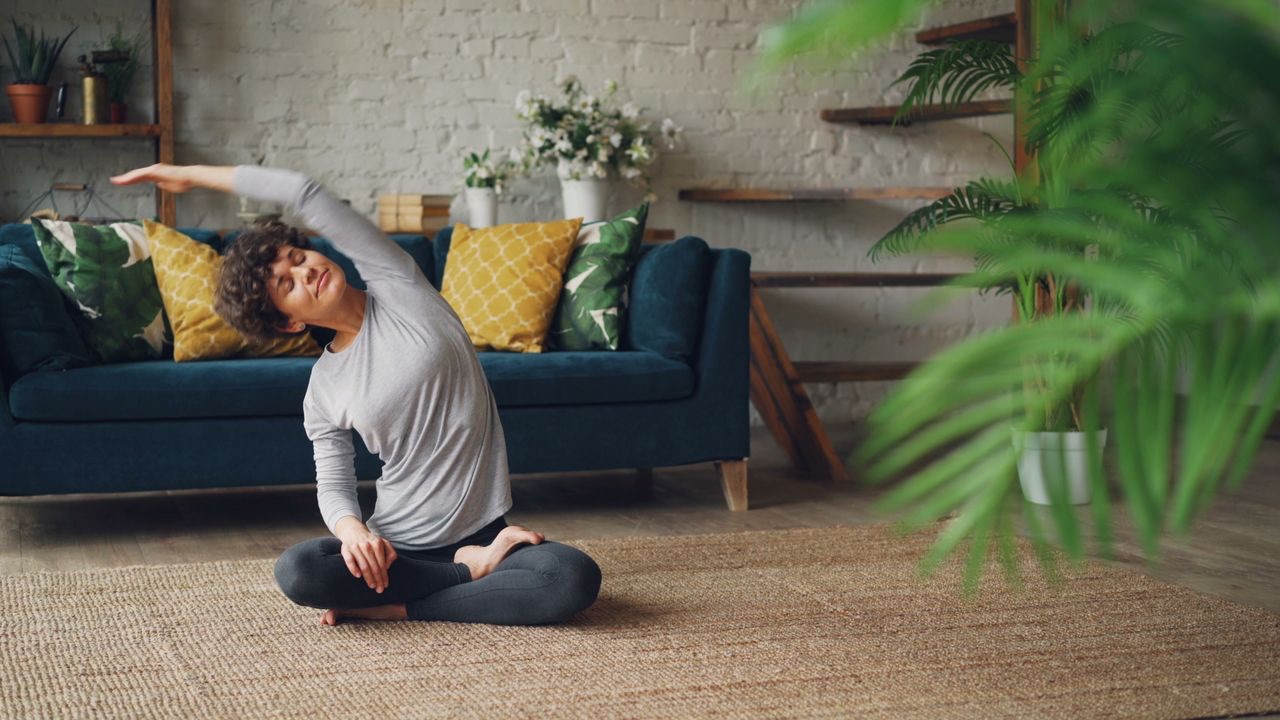
We live in a chaotic world that rarely affords us the luxury of hitting the pause button, leaving us perpetually caught between demanding career schedules, heavy family obligations, and the constant, draining buzz of digital notifications. For a vast majority of people, the traditional image of meditation, sitting completely cross-legged in a silent room while trying desperately to empty the mind of all thoughts, feels entirely unattainable or even deeply frustrating. If you have ever attempted to sit still for twenty minutes only to find your mind racing uncontrollably with upcoming to-do lists and lingering anxieties, you are certainly not alone in that experience.
Fortunately, there is an alternative, highly transformative approach that effectively bridges the gap between physical health and mental serenity, which is known as moving meditation.
By deliberately shifting your perspective, you can transform your daily workout from a grueling chore or a clinical physical optimization task into a deeply restorative mental practice that rejuvenates your psyche. You do not need to change the specific exercises you perform; you simply need to alter the fundamental awareness and intention that you bring to those movements every single day.
Understanding the Concept of Moving Meditation
At its absolute core, authentic meditation is never truly about completely silencing your thoughts or forcing your brain into a state of unnatural emptiness. It is actually about fundamentally altering your relationship with those passing thoughts by securely anchoring your conscious awareness to the present moment. While stationary mindfulness practices traditionally focus heavily on the rise and fall of the breath or the silent repetition of a mantra, moving meditation utilizes the intricate, dynamic physical sensations of the body in motion as its primary psychological anchor.
When you engage in traditional, unfocused exercise, your mind inevitably wanders into distracting territories because you are not actively directing your cognitive energy. You might find yourself obsessively reviewing a stressful corporate meeting, meticulously planning what to cook for dinner, or listening to an incredibly high-tempo music playlist specifically designed to distract you from the physical discomfort of exertion. While this detached approach certainly still benefits your cardiovascular health and muscular development, it completely misses a profound opportunity for deep mental rejuvenation and stress reduction.
Moving meditation completely flips this script by ensuring that instead of using external entertainment to escape the inherent challenges of the workout, you use the workout itself to escape the digital clutter and psychological noise of modern life. When you intentionally align your breathing patterns, your physical stride, and your psychological intent, a routine evening run or a standard weightlifting session organically morphs into an active sanctuary. Entering this deeply focused state of flow dramatically reduces systemic cortisol levels, sharpens your long-term cognitive focus, and builds an incredibly resilient mind-body connection that continues to benefit your emotional well-being long after you have walked out of the gym doors.
4 Steps to Transform Your Physical Routine
Turning a standard, repetitive workout into a profoundly mindful practice requires a massive amount of deliberate intentionality and structured focus. You cannot simply rush through your physical repetitions while thinking about completely unrelated household chores, like scheduling your next annual professional duct cleaning service, and honestly expect to achieve a state of lasting mental clarity. True moving meditation requires a highly methodical, step-by-step shift in your physical approach and psychological preparation before you even begin to lift a weight or take a single stride.
1. Establish a Pre-Workout Transition Ritual
The vast majority of modern gym-goers transition directly from a highly stressful professional task straight into their physical workout, inevitably carrying all of their mental baggage and workplace anxieties right onto the treadmill with them. To successfully practice moving meditation, you absolutely must establish a dedicated psychological bridge that allows your nervous system to downregulate before you initiate movement.
Commit to taking three to five quiet minutes before you begin moving your body to properly center your awareness, choosing to sit quietly either in your parked car or directly on your exercise mat. Close your eyes completely, take five incredibly deep, diaphragmatic breaths, and set a remarkably clear, positive intention for the upcoming physical session. Your chosen intention could easily be as simple as whispering to yourself, "I am entirely here to honor my body," or "I will focus my attention completely on the raw sensation of physical strength." This simple, brief ritual signals clearly to your nervous system that it is time to shift out of a frantic state of doing and into a deeply grounded state of mindful being.
2. Synchronize Your Breath with Motion
The breath serves as the ultimate, most reliable anchor of human awareness because it is constantly occurring in the immediate present moment. In stationary meditation styles, the breath is utilized as a passive focal point; however, in moving meditation, it serves as the highly active, rhythmic engine that dictates the tempo of your entire body.
- For Running or Walking: Establish a highly rhythmic, predictable breathing pattern that matches the cadence of your feet, such as inhaling deeply for three full strides and then exhaling completely for three full strides.
- For Strength Training: Match the distinct phases of your physical movement perfectly to your respiration by inhaling deeply as you lower the weight during the eccentric phase and exhaling forcefully as you exert maximum power during the concentric phase.
When your biological breath and your physical movement operate in perfect, uninterrupted synchronization, your analytical mind naturally quiets down because it is entirely occupied by the rhythm. If you happen to notice your thoughts drifting toward your unread emails, gently and non-judgmentally guide your focus straight back to the steady, comforting rhythm of your inhalations and exhalations.
3. Engage in Systematic Sensory Anchoring
The human brain is an incredibly complex organ designed to process an immense amount of sensory data simultaneously, meaning that when we do not actively direct that processing power, the mind naturally fills the void with anxiety and overthinking. You can easily counteract this psychological tendency by actively and systematically engaging all of your physical senses during your exercise routines.
|
Sense |
How to Anchor It During Exercise |
|
Tactile |
Intentionally feel the rough texture of the barbell grip, the firm impact of your sneakers on the outdoor pavement, or the deep stretch of your working muscles. |
|
Auditory |
Listen closely to the steady, repetitive cadence of your footsteps, the distinct sound of your own deep breath, or the ambient sounds of the natural environment around you. |
|
Visual |
Fix your gaze intently on a single, unmoving point directly ahead of you during a heavy lift, or consciously notice the shifting patterns of natural light if you are exercising outdoors. |
By systematically scanning these rich, real-time sensations throughout your workout, you effectively leave absolutely no cognitive room for intrusive, stress-inducing thoughts to take root. You become entirely alive, vibrant, and securely anchored within the physical reality of the present moment, which is the very definition of true mindfulness.
4. Remove Digital and Metric Distractions
It is virtually impossible to achieve a deeply meditative, tranquil state of mind when your wrist is constantly vibrating with urgent text messages or your eyes are glued to a bright television screen mounted on a cardio machine.
To cultivate authentic mindfulness during fitness, you must experiment with completely unplugging yourself from the digital ecosystem that dominates your daily life. Leave your mobile phone securely inside your gym locker or, at the very least, switch it entirely to an uninterrupted "Do Not Disturb" mode so that notifications cannot break your concentration. If you absolutely prefer to listen to audio during your workouts, deliberately choose instrumental tracks, ambient soundscapes, or soothing binaural beats rather than high-energy pop songs that feature complex, distracting lyrics. Furthermore, try turning off or covering up the metric screens on your exercise equipment, because constantly tracking calories burned, exact heart rate zones, and split times can easily trigger a hyper-competitive, analytical mindset. For the specific purpose of moving meditation, your primary and most important metric should always be how deeply connected you feel to your physical body.
Choosing the Right Activities for Mindfulness
While absolutely any form of physical movement can theoretically be adapted into a moving meditation, certain activities lend themselves much more naturally to the practice due to their repetitive, highly rhythmic nature.
Rhythmic Cardio: Running, Swimming, and Cycling
Aerobic exercises that rely heavily on continuous, cyclical movements are absolutely ideal for entering a profound flow state because they require very little conscious decision-making once the rhythm is established. Swimming is particularly effective for this practice because the aquatic environment inherently limits almost all external sensory stimuli. The repetitive, rhythmic sound of splashing water, the absolute visual isolation of looking at the pool lane floor, and the absolute physiological necessity of highly structured breathing create a natural sensory deprivation chamber that beautifully fosters deep, uninterrupted introspection.
Functional Strength Training
Weightlifting can become an incredibly meditative experience when you approach every single set with absolute deliberation and artistic care. Instead of rushing frantically through your physical sets just to check the workout off your daily schedule, treat each individual repetition as a distinct, sacred ritual. Focus your mind intensely on maintaining immaculate form, visualizing the precise engagement of specific muscle groups, and feeling the subtle, powerful transition between intense muscular tension and total relaxation.
Mind-Body Disciplines: Yoga, Tai Chi, and Qigong
These ancient Eastern practices were specifically engineered from their very inception to serve as highly sophisticated forms of moving meditation. They place an immense amount of emphasis on the seamless, graceful integration of physical posture, controlled breathing, and internal energy cultivation. If you find it incredibly difficult to discover a mindful rhythm within conventional gym workouts, spending time in a dedicated yoga or Tai Chi practice can easily provide you with the foundational mental skills needed to eventually bring mindfulness to all other areas of your fitness regime.
Overcoming Common Obstacles
As you begin the rewarding journey of incorporating mindfulness into your daily physical workouts, you will likely encounter a few common mental hurdles that can threaten to derail your progress. Understanding exactly how to navigate these psychological challenges with patience is the absolute key to maintaining a successful, long-term mindful movement practice.
Managing a Restless Mind
It is completely normal and entirely expected for your mind to wander frequently, especially during the first few weeks of attempting this highly focused style of training. When you suddenly realize that you have spent the last five minutes thinking about corporate deadlines, financial bills, or personal relationship stressors, do not judge, criticize, or punish yourself mentally. Acknowledging that your mind has drifted away from the workout is actually a moment of profound success, because it proves that you have successfully regained your conscious awareness. Gently, without an ounce of frustration or anger, simply guide your attention right back to the steady rhythm of your breath or the deep physical sensation of your muscles working against resistance.
Navigating Physical Discomfort
There is a distinct, incredibly important difference between the healthy, burning discomfort of intense physical exertion and the sharp, sudden pain associated with an impending physical injury. Moving meditation beautifully teaches you to listen incredibly closely to these subtle physical nuances rather than tuning them out completely. When you hit a highly challenging hill during an outdoor run or reach the absolute final repetitions of a exhausting lifting set, try to observe that physical discomfort with objective detachment. Instead of panicking, tensing up your face, or wishing the intense feeling away, look at the physical sensation with genuine curiosity, breathing directly through the challenge while using your heightened awareness to assess whether your body truly needs to rest or if your mind is simply trying to quit early out of comfort.
Conclusion
Transforming your daily workouts into a dedicated form of moving meditation fundamentally shifts the ultimate purpose and grand design of your fitness journey. Exercise ceases to be merely an agonizing mechanism for burning calories, losing weight, or sculpting muscles for external validation; instead, it becomes a vital, life-saving tool for achieving mental clarity, emotional grounding, and psychological resilience. By establishing a clear, intentional pre-workout transition ritual, syncing your breathing patterns perfectly with your physical movements, and ruthlessly eliminating digital distractions, you can easily turn any ordinary gym session into a profound, deeply personal practice of mindfulness.