
Mental Clarity: Explore Creative Hobbies for Winding Down Stress and Anxiety
Jun 22, 2026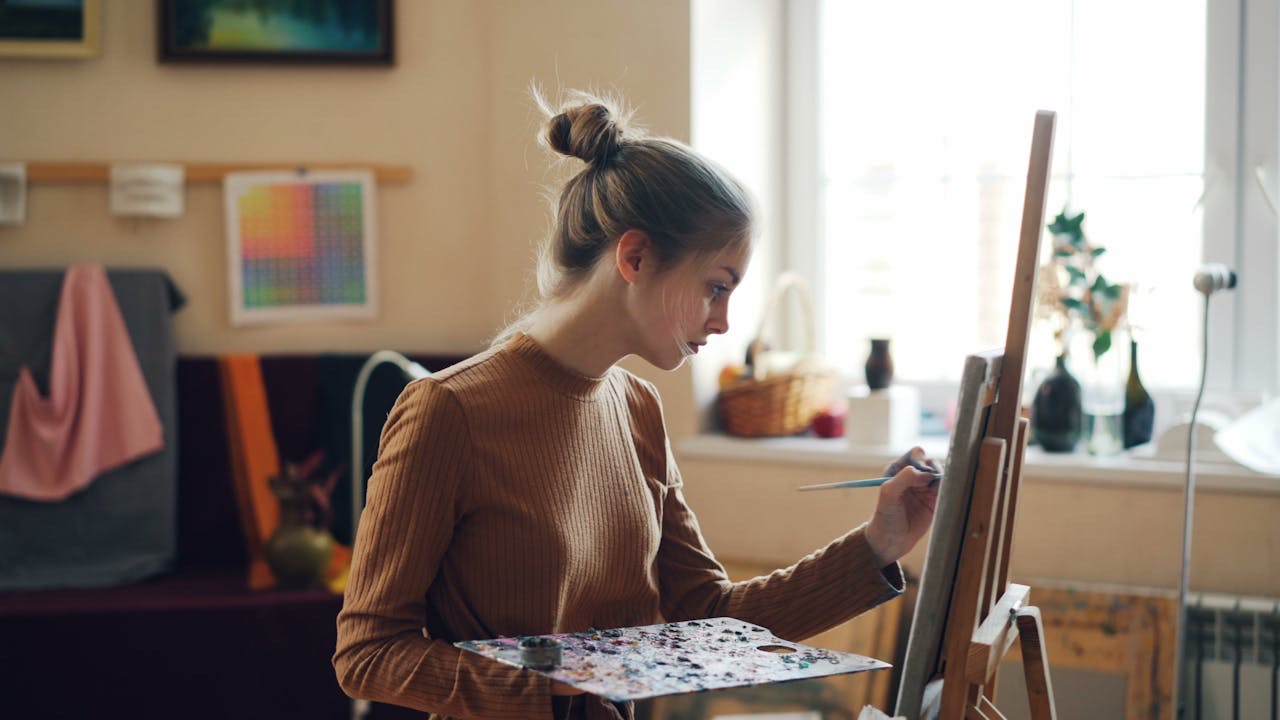
Photo by Vitaly Gariev from Pexels
In today’s fast-paced world, stress and anxiety can build up quickly, often leaving people feeling overwhelmed and mentally drained. While traditional relaxation methods like exercise and meditation remain valuable, creative hobbies offer a unique and engaging way to unwind. These activities do more than simply pass the time. They provide an outlet for self-expression, allowing the mind to slow down and refocus. Whether you are looking to reset after a long workday or create a more balanced lifestyle, exploring creative pursuits can significantly improve mental clarity and emotional well-being.
The Connection Between Creativity and Mental Wellness
Creative hobbies have long been associated with improved mental health, and for good reason. When people engage in artistic or imaginative activities, they activate areas of the brain responsible for focus, problem-solving, and emotional regulation. This shift in attention helps quiet racing thoughts and reduces feelings of stress.
Unlike passive forms of relaxation, creative hobbies require active participation. This encourages a sense of presence, which is similar to mindfulness practices. Whether sketching, writing, or crafting, individuals often experience a state of flow. This is when time seems to fade away and concentration becomes effortless. This mental state has been shown to reduce anxiety and increase overall satisfaction.
Additionally, creative activities offer a healthy outlet for emotions. Instead of suppressing stress or frustration, individuals can channel those feelings into something tangible, making it easier to process and release tension.
Painting and Drawing as Therapeutic Outlets
Visual arts such as painting and drawing are among the most accessible and effective creative hobbies for managing stress. These activities allow individuals to express thoughts and feelings that might be difficult to articulate with words. The simple act of putting brush to canvas or pencil to paper can be calming and meditative.
Working with color, texture, and form engages the senses in a way that grounds the mind. Many people find comfort in experimenting with different materials, including acrylic paints, which are versatile and easy to use. This flexibility allows beginners and experienced artists alike to explore their creativity without feeling restricted.
There is no need for perfection when using art as a form of stress relief. In fact, letting go of expectations often leads to a more enjoyable and freeing experience. The goal is not to create a masterpiece but to allow the mind to rest and reset through creative expression.
Crafting and Hands-On Projects for Focus
Hands-on hobbies like knitting, woodworking, or DIY crafts provide a different kind of creative satisfaction. These activities involve repetitive motions and tactile engagement, which can have a soothing effect on the nervous system. The physical aspect of crafting helps anchor attention in the present moment, reducing intrusive thoughts.
Completing a project, no matter how small, also brings a sense of accomplishment. This boost in confidence can counteract feelings of stress and self-doubt. Over time, engaging in these activities regularly can create a positive feedback loop, where each finished piece reinforces a sense of capability and calm.
Crafting also offers a break from screen time. In a world dominated by digital devices, stepping away from notifications and constant information can be incredibly refreshing for the mind.
Writing and Creative Expression for Emotional Clarity
Writing is another powerful tool for improving mental clarity. Whether through journaling, poetry, or storytelling, putting thoughts into words can help organize and process emotions. Writing creates a space where individuals can reflect without judgment, allowing for deeper self-awareness.
Journaling in particular is known for its therapeutic benefits. By regularly documenting thoughts and experiences, individuals can identify patterns in their emotions and behaviors. This insight can lead to better stress management and decision-making.
Creative writing, on the other hand, offers an opportunity to escape into imagination. Building characters or crafting stories can provide a mental break from real-life pressures while still engaging the mind in a productive way.
Finding the Right Hobby for Your Lifestyle
Not every creative hobby will resonate with every person, and that is perfectly normal. The key is to explore different options and find what feels enjoyable and sustainable. Some may prefer quiet, solitary activities like painting or writing, while others may enjoy group classes or collaborative projects.
It is also important to approach creative hobbies without pressure. Setting aside even a small amount of time each week can make a noticeable difference. The goal is consistency rather than perfection. Over time, these small moments of creativity can add up to significant improvements in mental clarity and stress reduction.
Experimentation plays a big role in this process. Trying new materials, techniques, or forms of expression can keep the experience fresh and engaging, making it easier to stick with over the long term.
Conclusion
Creative hobbies offer more than just entertainment. They provide a meaningful way to manage stress, enhance focus, and improve overall mental clarity. By engaging in activities that encourage self-expression and mindfulness, individuals can create a sense of balance in their daily lives. Whether through visual arts, hands-on crafts, or writing, the act of creating allows the mind to rest and reset. With time and consistency, these hobbies can become valuable tools for maintaining emotional well-being and navigating life’s challenges with greater ease.