
The Mental Health Benefits of Slowing Down While Traveling
Jun 08, 2026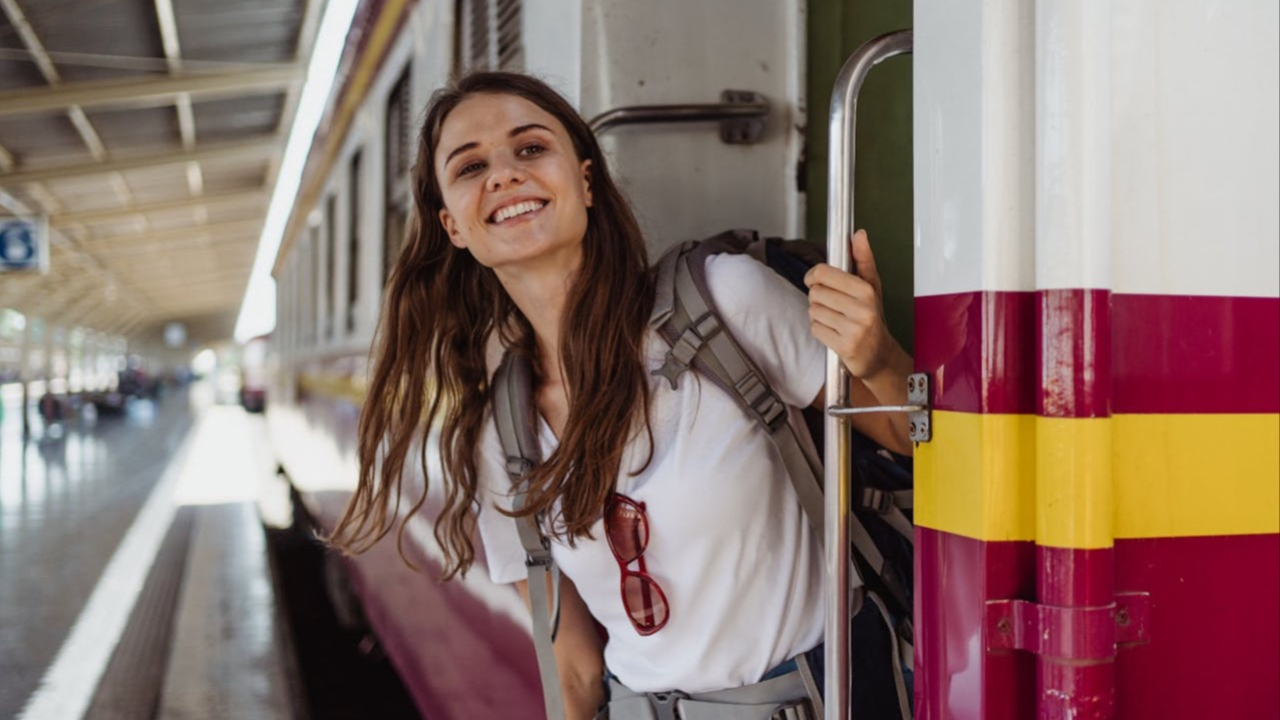
Photo by Ketut Subiyanto from Pexels
Most women return from a two-week trip feeling like they need another vacation. The jam-packed itinerary, the rushed check-ins, the pressure to see everything: it leaves you more depleted than rested. Slowing down while traveling isn't a compromise. It's actually one of the most powerful things you can do for your mental health, and a growing number of women are discovering that the pace of a trip matters as much as the destination.
Slowing down while traveling is one of the most powerful things you can do for your mental health.
What Does Slow Travel Actually Mean?
Slow travel is a mindset more than a method. It means choosing fewer destinations, staying longer, and letting a place reveal itself at its own pace instead of racing through a highlight reel. You eat at the same café twice. You take a walk without a map. You sit with your coffee and watch people go about their morning.
The movement grew out of the slow food philosophy that started in Italy in the 1980s, and it has since expanded into a full counter-cultural response to the hustle of modern tourism. For women traveling solo, the approach offers something especially valuable: time and space to feel safe, settled, and genuinely present.
Is Slow Travel Just for Retirees?
It used to be, but not anymore. Longer remote-work contracts, sabbaticals, and the rise of flexible employment have made extended stays accessible to women at all stages of life. Whether you're spending three weeks in one neighborhood of Lisbon or taking a month in Oaxaca, the principle is the same: depth over breadth.
How Slowing Down Supports Your Mental Health While Traveling
The mental health benefits of slowing down while traveling aren't just anecdotal. When you remove the constant pressure to optimize your time, your nervous system gets a chance to actually recover. Cortisol levels drop. Sleep improves. You become more curious and less reactive.
This matters especially for women who travel to process something, like a career shift, a breakup, or a period of burnout. Travel isn't therapy, but it creates the conditions that let reflection happen naturally.
The Science Behind Rest and Recovery on the Road
Chronic overstimulation, the kind that comes from racing between twelve cities in ten days, keeps the stress response activated long after the trip ends. Slow travel interrupts this pattern by giving the brain time to consolidate new experiences rather than just accumulate them. For women navigating major life transitions, like overcoming substance abuse or a difficult divorce, this kind of intentional unhurrying can be genuinely restorative. The same principles that underpin rebuilding a life that feels fulfilling: joy, meaning, and sustainable routine, can all be practiced on the road when you're not rushing.
Mindfulness Without a Meditation Cushion
You don't need a formal mindfulness practice to benefit from slow travel. The pace itself becomes the practice. When you're spending a week in one town, you notice the light differently on day four than you did on day one. You become a temporary local. That subtle shift — from observer to participant — is what researchers call "experiential absorption," and it correlates strongly with reduced anxiety and higher life satisfaction. Writing down what you notice keeps these insights alive after you leave.
Practical Ways to Travel More Slowly
The biggest barrier to slow travel isn't time, but the mental permission to do less. These practical shifts can help you redesign the way you move through a trip.
- Stay in one neighborhood. Book accommodation in a residential area rather than the tourist center. Go to the same market twice. Let familiarity build.
- Set a "maximum activities" rule. One anchoring experience per day — a museum, a hike, a cooking class — leaves room for everything else to be unplanned.
- Build in a buffer day before you fly home. A single day of nothing at the end of a trip is one of the most effective ways to protect the psychological gains you've made.
Choosing Destinations That Encourage Stillness
Some places lend themselves to slow travel more naturally than others. Portugal's Alentejo region, the Greek island of Hydra (car-free and quietly beautiful), and Japan's rural Tohoku are destinations that reward staying put. They're not built around efficiency: they're built around presence. The World Health Organization's research on rest, recovery, and mental wellbeing reinforces what most of us already sense: unstructured time isn't wasted time. It's how the mind repairs itself.
The Best Souvenir You Can Bring Home
The mental health benefits of slowing down while traveling don't disappear when the trip ends. Women who travel slowly tend to bring the same quality of attention back into their daily lives: noticing more, rushing less, making space for what actually matters. If you've been running on empty, your next trip doesn't have to be a race. Plan fewer stops, stay a little longer, and let the place do its work. That's the kind of travel that changes you.