
What Your Future Self Wishes You Knew About Aging
May 25, 2026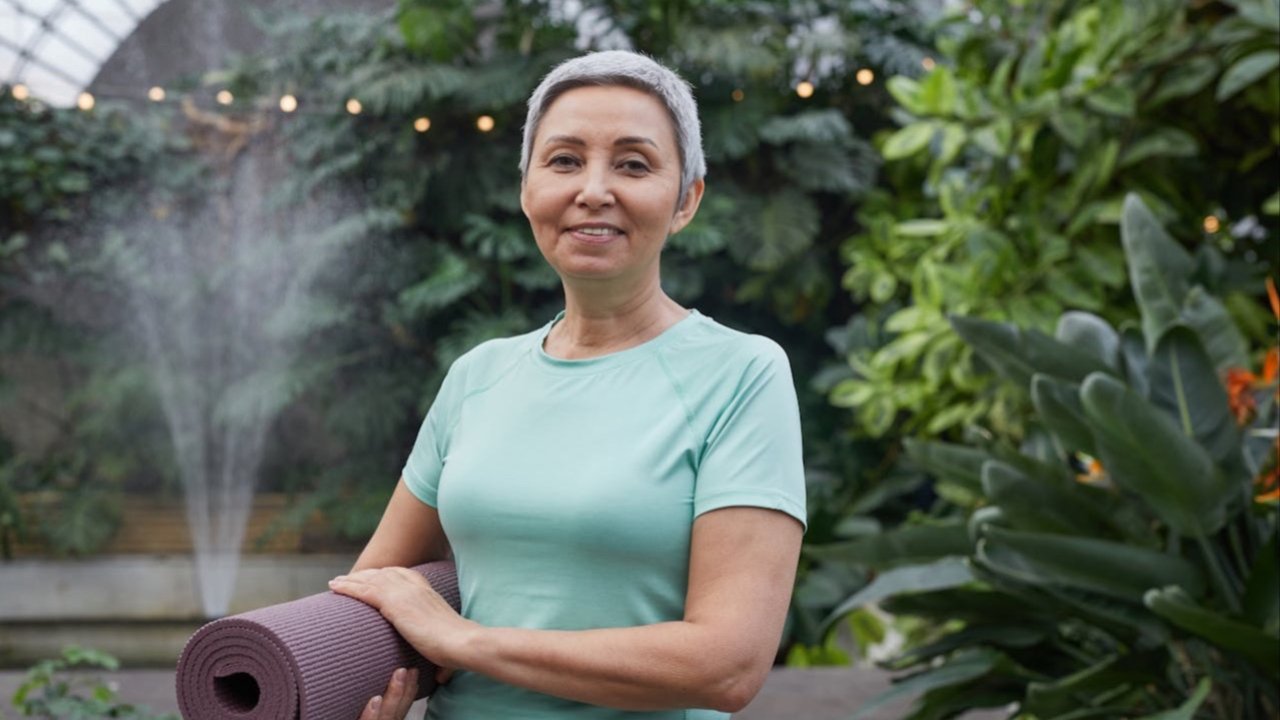
Photo by Marcus Aurelius from Pexels
Time moves fast and waits for no one. Knowing that aging is inevitable, you may fear getting older. But by diving deeper into the reality of aging, you will see that it's actually a shift toward a different way of experiencing life. What feels like decline is often transformation. Your future self would want you to let go of all the unfounded fears about aging and begin seeing its benefits and potential.
Aging Questions Old Beliefs About the Brain
Research is already challenging common assumptions about aging. Studies from Harvard Medical School and Massachusetts General Hospital highlight individuals known as "super-agers," senior adults who maintain excellent memory and defy typical age-related cognitive decline. These findings suggest that mental decline is not set in stone.
Although “super-agers” are not very common, aging individuals can continue engaging their mental capacity through social interaction, ongoing learning and hobbies. Meaningful activities may help improve memory and self-esteem as you get older.
Aging Is a Gift
Aging is one of life's privileges. Human life is so fragile that many people never reach old age due to illness, accidents or unforeseen circumstances beyond their control. When you truly understand how living into your 50s or 80s is a blessing, you begin to see aging as a gift of longevity. Every year represents growth, resilience and survival.
Demographic trends indicate that there will likely be more people over 65 than under 18 by the 2030s, underscoring the need to cultivate healthy aging habits. Rather than seeing aging as a burden, appreciate it as an opportunity to make the best of your life. Use time wisely and prioritize what genuinely brings you fulfillment. Your future self would want you to stop wishing time would stop and start focusing on how to age gracefully.
Aging Doesn't Mean Illness
Getting older doesn't automatically mean you will be sick and frail. While aging plays a role in health, many diseases result from lifestyle choices made earlier in life, not from aging itself. For instance, chronic stress can create biochemical changes in the brain that keep blood pressure high and increase the risk of heart attack or stroke over time.
Your future self would remind you that optimal health is possible in your later years. However, you would need to make better choices today. You might manage stress by building simple daily habits, such as getting enough sleep, exercising regularly and practicing deep breathing. These small adjustments can make a significant difference over time.
Aging Supports an Active Life
The body changes with age. Research indicates that we lose approximately 3% to 5% of muscle mass every 10 years after age 30. You can't completely avoid muscle loss as you grow older. However, with consistent effort, you can maintain strength, energy and mobility.
Your future self would want you to build strength now to ensure you enjoy vitality and independence later in life. Regular exercise, especially strength training, helps protect your body as you age. It doesn't have to be extreme fitness either. Whether you enjoy HIIT, yoga or team sports, working out consistently will pay off in the long run. When movement becomes a habit rather than a chore, it becomes much easier to stay active for life.
Aging Builds Confidence and Emotional Intelligence
One of the quieter changes that comes with aging is how you relate to yourself. The insecurities you once ruminated over start to lose their hold. You start caring less about getting people's approval or keeping up with your peers. As you age, what matters is whether something aligns with your personal values or brings you joy.
For older people, a shift in priorities from external validation to inner alignment often sets the stage for emotional growth. As you embrace a slower pace in life, you become more aware of your reactions, more empathetic toward others and more grounded in your decisions. Your future older self would want you to see your time-tested emotional maturity and confidence. A wiser and more self-assured mindset means you can navigate life with less emotional turbulence and greater ease.
Aging Shifts Your Focus to Relationships
Making money or climbing the corporate ladder may feel like the ultimate goal in life right now. However, as life progresses, achievements, social status and material success gradually become less central. Instead, relationships begin to take on greater importance as you invest more time and energy into the people who truly matter. Life feels richer and more meaningful through shared moments rather than accumulated titles or possessions.
Long-term studies have shown that the quality of your relationships contributes to your health and happiness, highlighting the crucial role of human connection in long-term well-being. Remember that it is not your accomplishments that define your life but who you share it with. So nurture your existing relationships now. You might spend more time with your children, be kind to your parents and be there when your community needs you.
How to Age Gracefully
Your later years can be some of your happiest and most fulfilling. However, a happy life does not happen by default or by chance — it's a result of the actions you take today. Many people wait too long to take their well-being seriously. The earlier you start, the greater the impact on your future self.
Regardless of where you are in life right now, set the foundation for your golden years today. Besides ensuring a good retirement fund, start investing in your health, mindset and relationships. When you focus on the right things, aging becomes a graceful process of growth and gain.