
Why It’s Important to Stay Kind to Yourself as You Age
Jun 15, 2026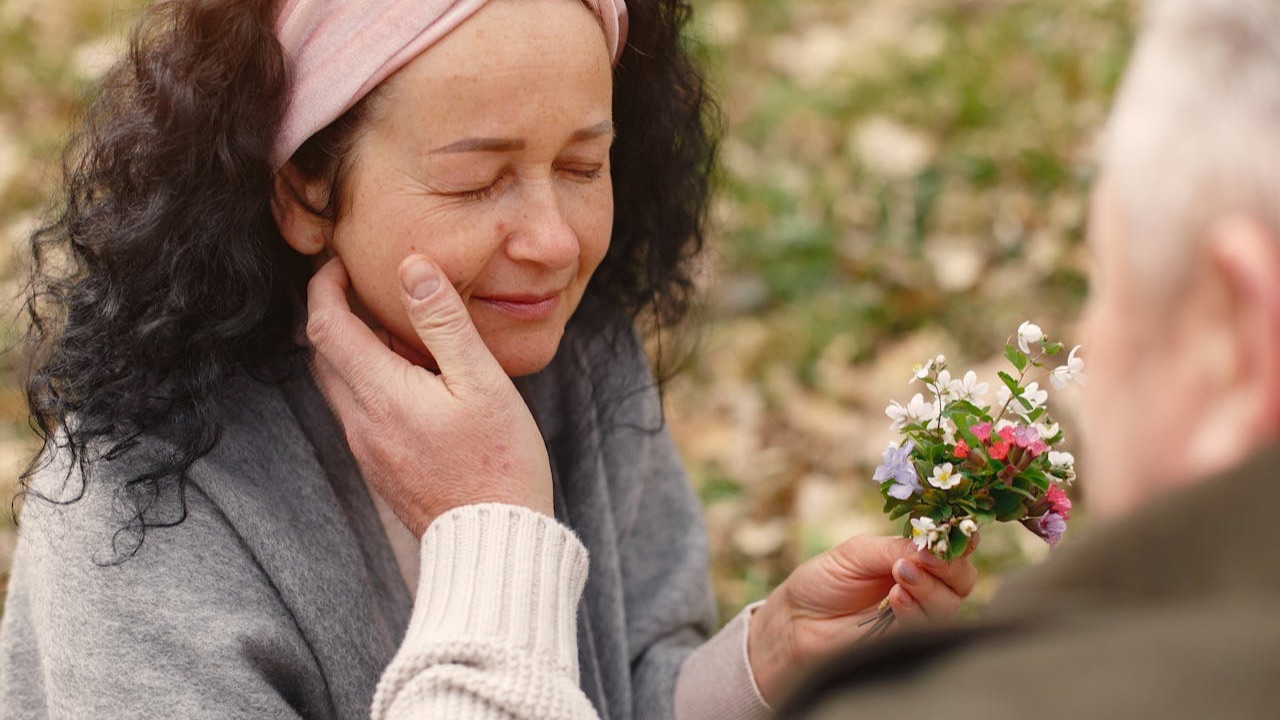
Photo by Gustavo Fring from Pexels
Aging is a natural and inevitable part of life, yet it often brings with it a complex mix of emotions. Physical changes, shifting roles, and evolving priorities can challenge one’s sense of identity and self-worth. During this stage, maintaining kindness toward yourself becomes especially important. Self-compassion is not simply a comforting idea. It is a practical approach that can enhance emotional well-being, improve resilience, and contribute to a richer, more fulfilling life as you grow older.
Understanding the Emotional Impact of Aging
As people age, they often encounter transitions that can feel difficult to navigate. Retirement, the loss of loved ones, or changes in physical health may lead to feelings of uncertainty or even self-doubt. It is easy to become overly critical during these times, especially when comparing current abilities to those from earlier years.
Practicing kindness toward yourself means acknowledging these emotions without judgment. Rather than seeing limitations as failures, it is helpful to view them as natural aspects of the aging process. This mindset allows individuals to process change with greater emotional balance. When you treat yourself with patience and understanding, you create space for growth, acceptance, and peace of mind.
The Connection Between Self-Kindness and Physical Health
There is a strong relationship between emotional well-being and physical health. Chronic stress and self-criticism can negatively impact the body, contributing to issues such as high blood pressure, weakened immunity, and sleep disturbances. On the other hand, self-compassion helps reduce stress and promotes healthier habits.
Being kind to yourself might involve allowing time for rest, engaging in gentle physical activity, or maintaining a balanced diet without placing unrealistic expectations on yourself. It also means listening to your body and responding with care rather than frustration. Over time, these small acts of kindness can lead to meaningful improvements in overall health and vitality.
Maintaining a Positive Sense of Identity
Aging can sometimes challenge the way individuals view themselves. Career roles, family responsibilities, and social circles may change, leaving people wondering how they fit into the world. This can be particularly true when moving into a new living environment or lifestyle.
In supportive senior communities such as LakeHouse Manitowoc, residents are encouraged to embrace their evolving identities while continuing to pursue meaningful activities. Whether through hobbies, social events, or personal reflection, maintaining a sense of purpose plays a vital role in self-kindness. Valuing who you are today, rather than focusing solely on who you used to be, helps reinforce confidence and emotional stability.
Building Resilience Through Self-Compassion
Resilience is often associated with strength and perseverance, but it is deeply connected to how individuals treat themselves during challenging times. Self-compassion allows people to recover more effectively from setbacks by fostering a sense of inner support.
When mistakes or difficulties arise, responding with kindness rather than harsh criticism can make a significant difference. For example, if you struggle with adapting to a new routine or experience frustration with memory changes, acknowledging your effort rather than focusing on perceived shortcomings can help you move forward with greater ease.
Over time, this approach builds emotional resilience. You become better equipped to handle life’s uncertainties, knowing that you can rely on your own understanding and encouragement.
Cultivating Daily Habits of Self-Kindness
Developing a habit of self-kindness does not require dramatic changes. It often starts with simple, intentional actions practiced consistently. Taking a few moments each day to reflect on what you are grateful for, engaging in activities that bring joy, or speaking to yourself with gentle and encouraging language can all contribute to a healthier mindset.
It is also important to set realistic expectations. Aging does not diminish your value or worth. Instead, it offers an opportunity to focus on what truly matters, whether that involves relationships, personal growth, or new experiences. By prioritizing kindness in your daily routine, you create a stable foundation for long term well-being.
The Role of Social Support in Self-Kindness
While self-kindness begins internally, it is often strengthened through positive social connections. Surrounding yourself with supportive individuals who encourage understanding and empathy can reinforce your own efforts to be compassionate toward yourself.
Conversations with friends, family members, or peers can provide reassurance during difficult moments and remind you that you are not alone in your experiences. Participating in group activities or community events can also foster a sense of belonging, which plays a key role in maintaining emotional health as you age.
By combining self-compassion with meaningful social interactions, you can create an environment that supports both personal and collective well-being.
Conclusion
Staying kind to yourself as you age is an essential part of maintaining both emotional and physical health. It allows you to navigate life’s changes with greater acceptance, build resilience, and preserve a strong sense of identity. Through daily habits, supportive relationships, and a compassionate mindset, you can approach each stage of life with confidence and positivity. Aging is not just about change. It is an opportunity to deepen your understanding of yourself and to treat that understanding with the care and respect it deserves.