
Why Wellness Retreats Are Typically Found in Coastal, Naturistic and Tropical Areas
Nov 09, 2026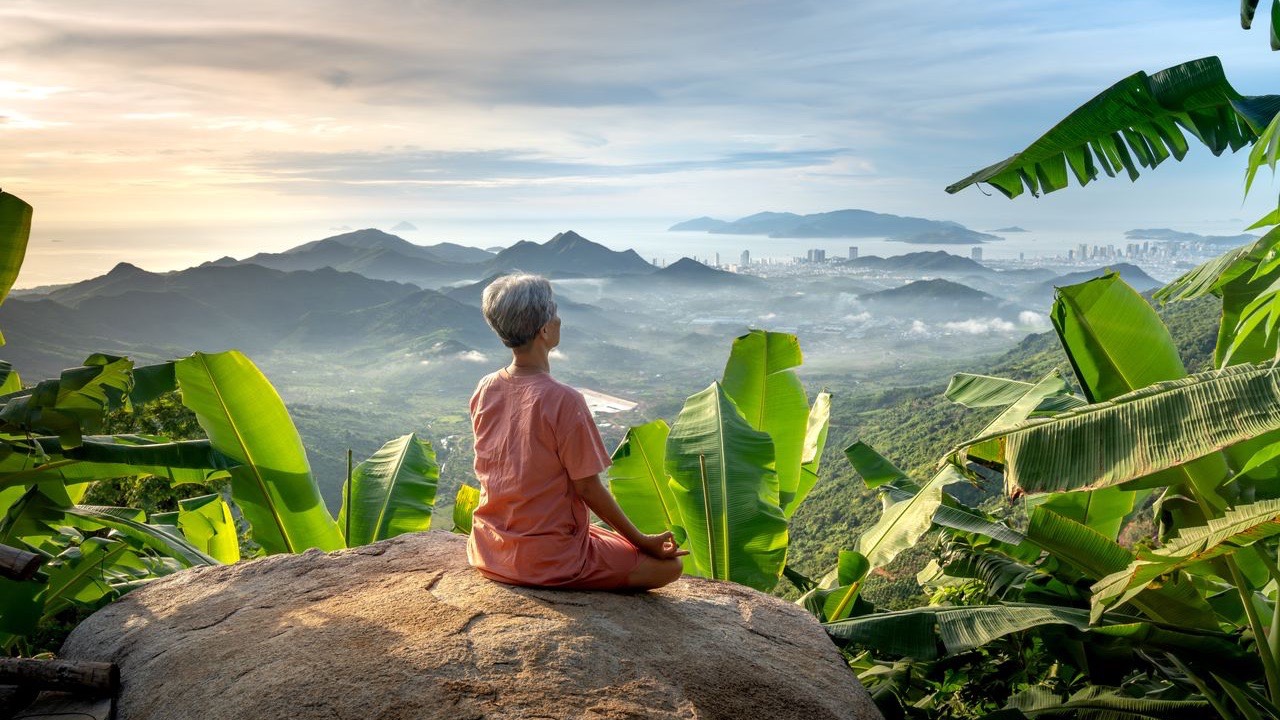
Photo by Quang Nguyen Vinh from Pexels
Have you ever noticed that the world's most celebrated wellness retreats tend to share a common setting? Whether nestled along a sun-drenched coastline, tucked into a lush tropical forest, or perched beside a pristine natural landscape, these sanctuaries almost never appear in the middle of a bustling city. This pattern is no coincidence. The environments chosen for wellness retreats are carefully considered, and the reasons behind these choices run far deeper than simple aesthetics.
The Science of Nature and Stress Reduction
Decades of research have confirmed what many people instinctively feel: time spent in nature lowers cortisol levels, reduces blood pressure, and promotes a genuine sense of calm. Natural environments stimulate the parasympathetic nervous system, essentially the body's "rest and digest" mode, helping guests transition away from the chronic stress responses that define so much of modern life. Coastal and tropical settings amplify these effects through consistent warmth, clean air, and rich biodiversity that engages the senses in a deeply grounding way. The simple act of hearing waves crash against a shore or birds calling through a forest canopy can shift mental states in ways that no urban soundscape ever could.
The Role of Fresh Air and Natural Ecosystems
Coastal and tropical regions are well known for their air quality and the unique compounds their ecosystems naturally release. Dense tropical forests emit phytoncides, natural chemicals produced by trees that have been shown to boost immune function and elevate mood over time. Ocean air carries negative ions that many researchers associate with increased serotonin levels and a lighter, more energized sense of wellbeing. Retreats built within these ecosystems essentially use the surrounding environment as a therapeutic tool, so guests benefit from simply existing within the space, well before any formal program begins.
Sensory Immersion and Its Therapeutic Effects
One of the most compelling aspects of a coastal or tropical wellness retreat is the depth of sensory immersion it naturally provides. The vibrant colors of tropical flora, the rhythmic sounds of ocean tides, and the steady warmth of natural sunlight all work together to engage the nervous system in genuinely restorative ways. This kind of multi-sensory experience is difficult to manufacture in artificial environments, which is precisely what makes natural settings so irreplaceable for deep wellness work. Guests frequently report that the setting itself accounts for a significant portion of their healing experience, often long before any structured therapy or treatment takes place.
Connection to Wildlife and the Natural World
Proximity to wildlife and thriving ecosystems encourages a sense of connection that many people have quietly lost in the pace of modern life. Tropical and coastal regions rank among the most biodiverse on the planet, offering guests meaningful encounters with birds, marine life, insects, and plant species that naturally spark curiosity and wonder. This connection to the living world extends across many outdoor communities, whether someone is a seasoned hiker, an avid diver, or even a hobbyist beekeeper who relies on a beekeepers suit to safely and confidently interact with their environment. Wellness retreats tap into this universal human instinct to engage with the natural world, treating that connection as a core component of lasting health and wellbeing.
Warmth, Sunlight, and Circadian Rhythm Regulation
Tropical and coastal climates offer something that cooler, more urban environments often simply cannot: consistent, abundant sunlight throughout the year. Sunlight plays an essential role in regulating the body's circadian rhythms, supporting vitamin D synthesis, and encouraging the release of serotonin and melatonin at the right times. Guests arriving from northern climates or demanding indoor jobs often experience noticeable improvements in sleep quality within just a few days of settling into a warmer, sun-filled environment. Thoughtfully designed wellness programs take full advantage of this by scheduling outdoor activities during peak sunlight hours and gently encouraging guests to realign their daily routines with natural light cycles.
Conclusion
The preference for coastal, naturistic, and tropical settings among wellness retreat designers is rooted in powerful, well-documented human needs. These environments do more than look beautiful; they actively support the physiological and psychological processes that make genuine healing possible. From cleaner air and richer ecosystems to abundant sunlight and immersive sensory experiences, nature itself becomes the most important amenity any retreat can offer. When people step into these spaces, they are not simply escaping everyday life. They are returning to the kind of environment the human mind and body were built to thrive in.