
Wild Sketchbooking: Capturing Nature's Beauty on Your Adventures
Jul 06, 2026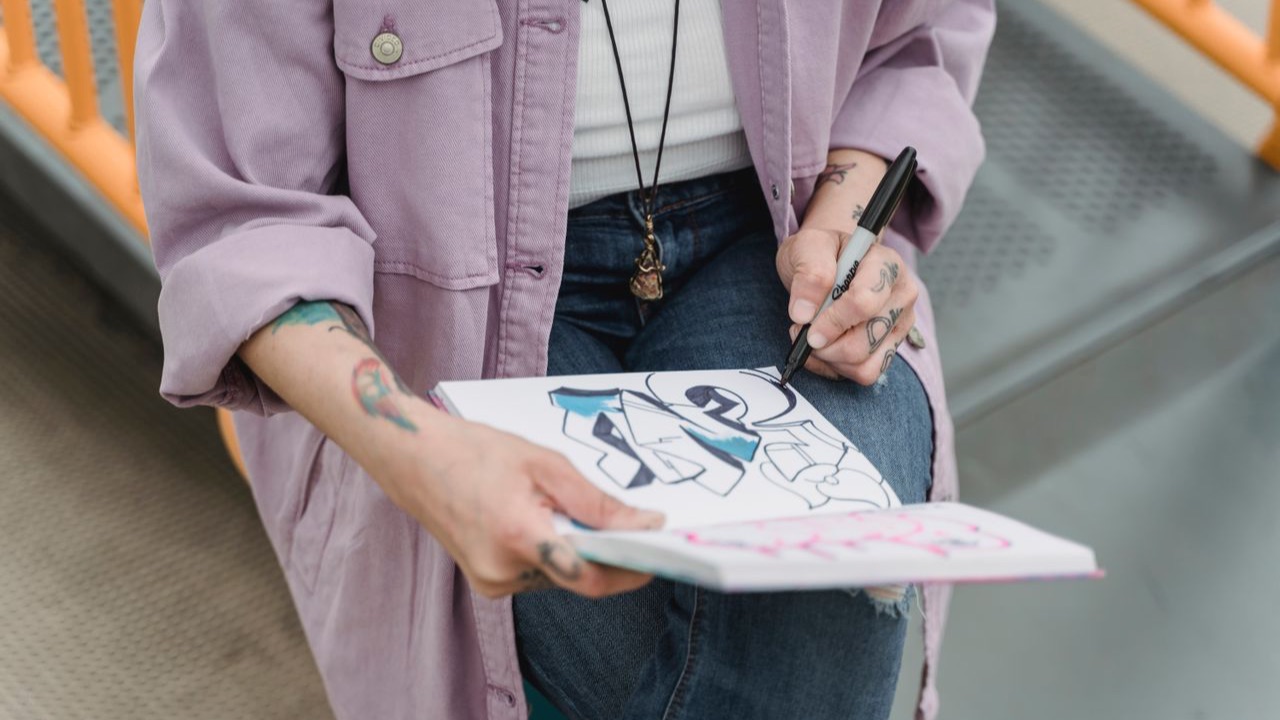
Photo by Felicity Tai from Pexels
Some adventures are captured in photos. Others gain meaning through the imperfect act of drawing. Think of creating a page with uneven pencil lines, a “badly” drawn leaf or a color-blocked mountain that never looked quite right but still reminds you exactly of how the air felt that afternoon.
Wild sketchbooking sits somewhere between journaling, mindfulness and creative play. Simply commit a page and a few minutes, and notice the world around you. Slow down long enough to translate what you see into your own marks and shapes. These scribbles become a record of where you’ve been and proof of how you moved through the world as you became more of yourself along the way.
Reconnect With Yourself and the World Around You
Modern adventures happen on the run. You might reach the viewpoint, take the photo, share it on social media, save the location and move on. Sketchbooking creates a different rhythm, supporting a quieter moment that invites you to linger.
When you open a sketchbook outdoors, you step into different shoes. You stop being someone who collects destinations and become someone who observes them. The action of drawing or painting encourages you to save space for reflection, curiosity and presence.
See Your Adventures Through an Artist's Eyes
Sketching changes how you look at the world around you. Instead of thinking, “That tree looks beautiful,” you begin asking detailed questions.
- How does the bark split?
- Which direction does the grass lean?
- Where does the shadow soften?
Drawing what you observe can deepen your understanding because the process encourages more active engagement with the subject. Rather than quickly identifying something, you spend time interpreting and processing it. This effort strengthens observation beyond memory.
Drawing fosters remarkable brain health benefits, including stronger cognitive efficiency and the development of new neural pathways that boost thinking clarity and creativity. These gains require no technical skills. Sketch a crooked rock, the shape of a cloud and the outline of your hiking boots after a long walk. The focus is on meaning, not accuracy.
Cultivate Mindfulness and Calm Your Day
Nature sketchbooking feels surprisingly close to meditation. Without the pressure to produce, your mind can let go and enter a flow state. Simply focus on something and break it down to easy decisions, such as where to place a line, how light hits the page and whether a leaf curves left or right.
Gentle concentration helps soften mental noise. Spending time outdoors in nature can have significant benefits to your well-being. Even 20 minutes can reduce cortisol levels, so go sketch at the park each day and bring your stress levels back under control.
Combining creativity with time spent outdoors may support emotion regulation and stress management. Seeing nature’s rhythms and processes has a soothing outcome in holistic healing, and drawing them makes the experience more real and lasting. You may even notice that the finished sketch matters less than the moment spent making it.
Find Joy in the Simplicity of a Blank Page
Blank pages can feel intimidating, as there’s something vulnerable about making the first mark, especially if you’ve convinced yourself that creativity belongs to other people. But sketchbooking asks for participation, not perfection. Forget about polishing a “finished” piece and focus on feeling alive.
"Perfect" Artist Illusions
Many people stop themselves before they even start because they believe drawing requires talent or training, which they think they don't have. Wild sketchbooking quietly disagrees. Each turn of the page sets you free from the illusion of perfection.
Your pages may include quick lines, written notes, color swatches, pressed flowers, texture rubbings, weather observations or maps with uneven arrows. Professional artists have long treated sketchbooks as private spaces for exploration rather than artworks. Building your own unique drawing practice should focus on experimentation and observation, not perfection.
Simple Tools for Sketching Outdoors
Forget about dropping thousands at the art shop for expensive supplies. Start with a small collection that feels easy to carry. You can try a few convenient staples:
- A lightweight sketchbook that fits into your bag or pocket.
- A few pencils or a favorite pen.
- A small watercolor set or travel markers, if color brings you joy.
- A clipboard for windy days.
- A cloth or pouch to protect your pages.
That’s enough, and you can add more later. Remember, simplicity makes it easier to begin.
Frame Your Journey With Gratitude and Awareness
Something interesting happens when you repeatedly sketch natural places. You stop seeing them as scenery and start recognizing them as living spaces that support ecosystems, communities and moments of calm in your own life.
That awareness feels especially meaningful in a changing world. Billions of people worldwide experience severe water scarcity each year, which may change how you look at a quiet stream, a lake beside your campsite or morning dew gathered on wild grass.
Capturing these nourishing moments becomes more than about documenting beauty. It becomes an act of appreciation for places that may not always remain the same. Every page becomes evidence that you noticed and felt grateful for the blessing of a mountain, a stream or a singing bird that you drew.
Draw Inspiration From a Legacy of Adventurous Artists
If carrying a sketchbook feels romantic, you’re in good company. Many creators documented journeys through the ages with quick studies, observations and unfinished pages that later shaped their creative identity. Think of Vincent Van Gogh’s landscape studies that captured the emotions of the land as seen through the artist’s eyes.
Collections of famous sketchbook artists show something reassuring. Their pages were far from complete. Some were messy, raw and uncertain. It was a glimpse into their humanity, and your sketchbook is yours.
Experience the World One Sketch at a Time
Years from now, your sketchbooks may become some of the most personal things you own. While photos tell you what a place looked like, sketches tell you what you noticed and what that said about you in that moment. Adventure slips from the moment to live on your wild pages.