
Your Ultimate Guide to the New Wellness Trend: Red Light Therapy
Aug 03, 2026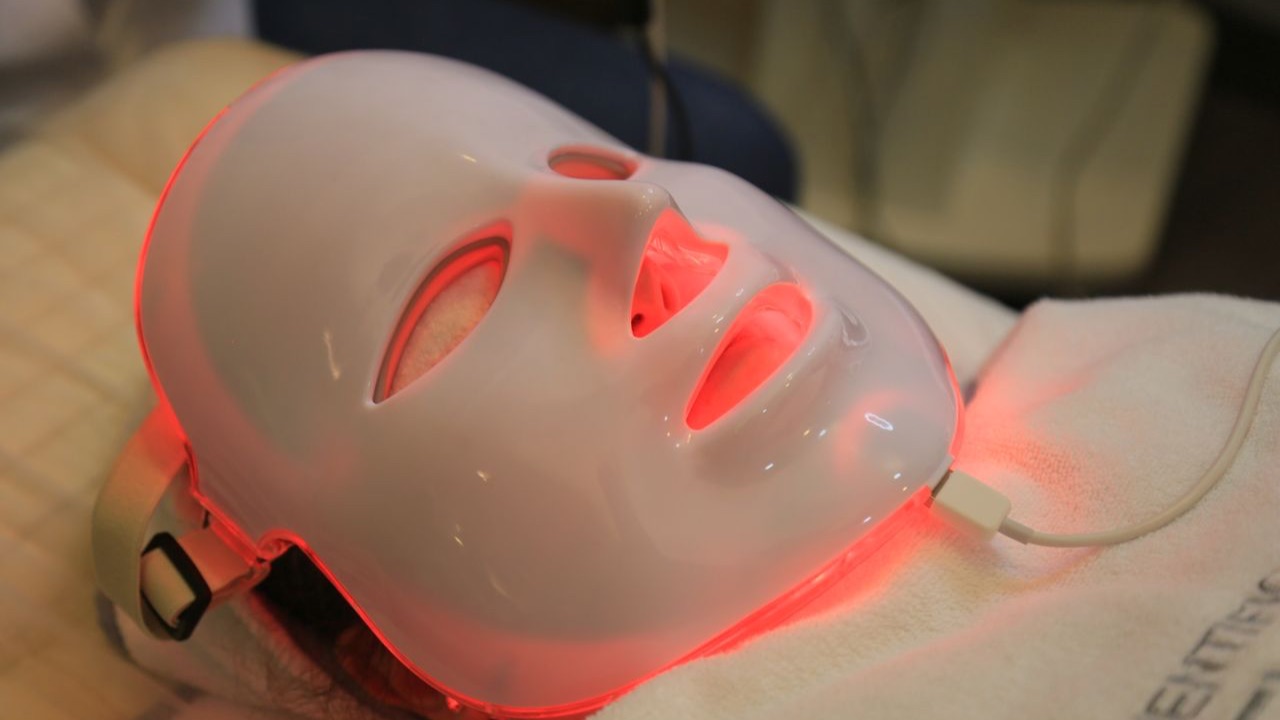
Photo by Dinç Tapa from Pexels
You’ve probably scrolled past a picture of a friend glowing under a pink-red mask or spotted a red-lit pod tucked into your favorite spa’s wellness menu. Red light therapy, once mostly found in dermatology offices, has become one of the buzziest tools in modern self-care, and it might do more than brighten your skin. Before you add another gadget to your repertoire, here’s what the practice actually involves, what it may help with and how to try it responsibly.
What Is Red Light Therapy?
Red light therapy uses low levels of red and near-infrared light to reach your skin and the tissue just beneath it. Unlike a tanning bed or an afternoon at the beach, there’s no ultraviolet light involved, so you’re not building a base tan or risking sun damage. The light comes from LED panels, masks, wands or full-body beds, and most sessions last somewhere between 10 and 20 minutes.
The therapy started decades ago in wound care and physical therapy settings, long before it made its way into spas and skincare routines. Doctors used early versions of the technology to help wounds close and to ease pain in clinical settings. That medical background is part of why red light therapy carries more research behind it than most wellness trends that show up on your social feed overnight.
You’ll find red light therapy in more places than a dermatologist’s office these days. Spas tuck red light beds into their recovery menus, gyms offer panels for post-workout sessions, and plenty of women keep a handheld wand or face mask at home for a quick session while catching up on a show.
Picture a friend who winds down every evening with 10 minutes under a red mask before bed, treating it less like a medical treatment and more like a nightly ritual.
The wavelengths used in red light therapy typically fall between 620 and 850 nanometers, a range that reaches deeper into the skin than regular visible light without generating the heat of a laser treatment. That depth of penetration is why researchers continue to study red light therapy for a wide range of uses, from skin health to muscle recovery to sleep.
How Red Light Therapy Works Inside Your Cells
Your cells contain mitochondria, the structures responsible for producing the energy your body runs on. Red and near-infrared light gets absorbed by an enzyme inside those mitochondria, and that absorption appears to boost how efficiently your cells produce energy. More available cellular energy gives your body more resources for repair, whether that’s healing skin, calming inflammation or bouncing back from a hard workout.
In 2023, scientists convened a workshop to examine this process and its potential applications to healthy aging. Researchers concluded that light exposure stimulates mitochondrial energy production and may support healthier aging as people get older, a notable vote of scientific interest for a treatment that started mostly as a skincare trend.
In practice, this means a session under a red light panel does more than sit you in a warm glow. Picture someone using one for 15 minutes after a long flight, her skin and muscles absorbing wavelengths that work on the cellular level the whole time, even though nothing about the experience feels dramatic.
Because the effect builds at the cellular level, red light therapy tends to reward consistency more than intensity. A single session rarely produces a noticeable change. Regular sessions spread across several weeks are what most current research is built on, which is worth keeping in mind if you’re expecting overnight results.
The Wellness Benefits Worth Knowing
Red light therapy touches a surprising number of areas connected to how you look and how you feel. Here’s where the research currently points.
Refreshed, Firmer-Looking Skin
Skin care is where most people first hear about red light therapy, and for good reason. A 2025 study analyzed nearly 60 published studies and found support for red LED light in the management of various dermatological conditions, including visible signs of aging.
The mechanism behind the skin benefits lies in collagen. Red light appears to stimulate the cells that produce this protein that keeps skin firm and elastic. Because collagen production slows with age, this is one reason red light therapy has become especially popular among women seeking a gentler alternative to more invasive skin treatments. Results build gradually over weeks of consistent use.
When building red light therapy into a broader skin routine, know that it pairs well with gentler products. Low-effort practices are likely already in your rotation. For example, dry brushing is an ancient exfoliation method that removes dead skin cells before a red light session. It may help the light reach skin that’s already been prepped rather than sitting on a layer of buildup.
Faster Muscle Recovery
Red light therapy has a following among active people trying to bounce back faster from tough workouts, whether that’s surfing, hiking or lifting weights. A study on athletes recovering from high-volume sprint training found that phototherapy may help reduce soreness in some muscle groups.
Perhaps you had a demanding surf session or a steep hike, and your legs were aching the following morning. A 15-minute red light session that evening would be a low-effort way to support the recovery process alongside stretching, hydration and rest.
Timing matters more here than in skin care. Much of the current research points to red light sessions done before activity, rather than after, as the more effective window for reducing next-day soreness. If your schedule allows it, a short session ahead of a big hike or an early surf lesson may serve you better than saving it for that evening.
Better Sleep and Mental Well-Being
Red light also shows promise for sleep and mood, two areas that matter just as much on the road as they do at home. A 2023 randomized, sham-controlled trial found that red and near-infrared exposure before bed was linked to improved self-reported sleep, relaxation and mood, although objective sleep measures did not differ from the sham group. Red wavelengths interact with the body’s melatonin rhythm without the disruptive effects that brighter, bluer light can have in the evening.
Getting enough sleep is vital for your mental and physical health. U.S. adults who regularly sleep less than six hours are 2.5 times more likely to report frequent mental distress than those who get the recommended amount.
If mental well-being is part of why you’re curious about red light therapy in the first place, it’s worth remembering that novelty and small routine shifts matter, too. Research on the psychology of new experiences has found that trying something new activates brain regions tied to reward. That’s one more reason a new self-care ritual, red light included, might give your mood a lift beyond whatever the light itself is doing.
Fitting Red Light Therapy Into Your Travels
Red light therapy has become portable enough to travel well, which matters if wellness is part of why you travel in the first place. Compact panels and light-up masks fold into a suitcase without much trouble, and a growing number of resorts and retreat centers now include red light sessions as part of their spa or recovery offerings.
You could check into a wellness-focused retreat after a full day of travel, with a red light bed or panel available as part of the property’s recovery lounge, alongside options like a sauna or cold plunge. A short session there can ease fatigue and stiff muscles from a long flight or drive, setting a more relaxed tone for the days of activity ahead.
If you’re headed somewhere without red light therapy on-site, a compact handheld device is an easy add to a wellness-minded packing list, right alongside your travel yoga mat and refillable water bottle.
Timing a session around your travel day is worth some thought, too. A short session in the morning after you land, rather than the night you arrive exhausted, may fit more naturally into a new time zone and give you a small, grounding routine before a full day of activities. Even five or 10 minutes with a compact device on your hotel balcony can turn into a quiet moment of calm before the rest of your trip picks up.
How to Try Red Light Therapy Safely
Some over-the-counter light-based devices used for wrinkle reduction are regulated by the FDA as Class II medical devices and cleared through the 510(k) process. A few simple guidelines go a long way toward a safe, effective session:
- Follow the device’s recommended session length, typically 10-20 minutes.
- Keep your eyes protected or closed during facial treatments, since bright light devices can be uncomfortable for the eyes over time.
- Give your skin a break if redness or irritation lingers past a session.
- Check with your doctor first if you take medication that increases light sensitivity or if you have a photosensitive skin condition.
A simple starter routine can be three sessions a week, 10 minutes each. From there, you can adjust frequency based on how your skin and body respond.
Keep your expectations grounded, too. Red light therapy works gradually and is best used as a supporting habit alongside sleep, hydration, movement and whatever skincare routine already suits you, rather than as a stand-alone fix. Treat it the way you would a good moisturizer or a consistent workout schedule, as one steady piece of a much bigger wellness picture.
Shedding Light on Red Light Therapy
Red light therapy isn’t a wellness fad — it has substance. Between the cellular science, the growing research on skin, muscle recovery and sleep, and how easily it travels, it’s an approach worth exploring, whether you’re at home or settling into a retreat halfway around the world. Start small, stay consistent and let a little red light become one more tool in the wellness routine you’re already building for yourself.