
How Body Image Changes Through Different Chapters of a Woman’s Life
Aug 24, 2026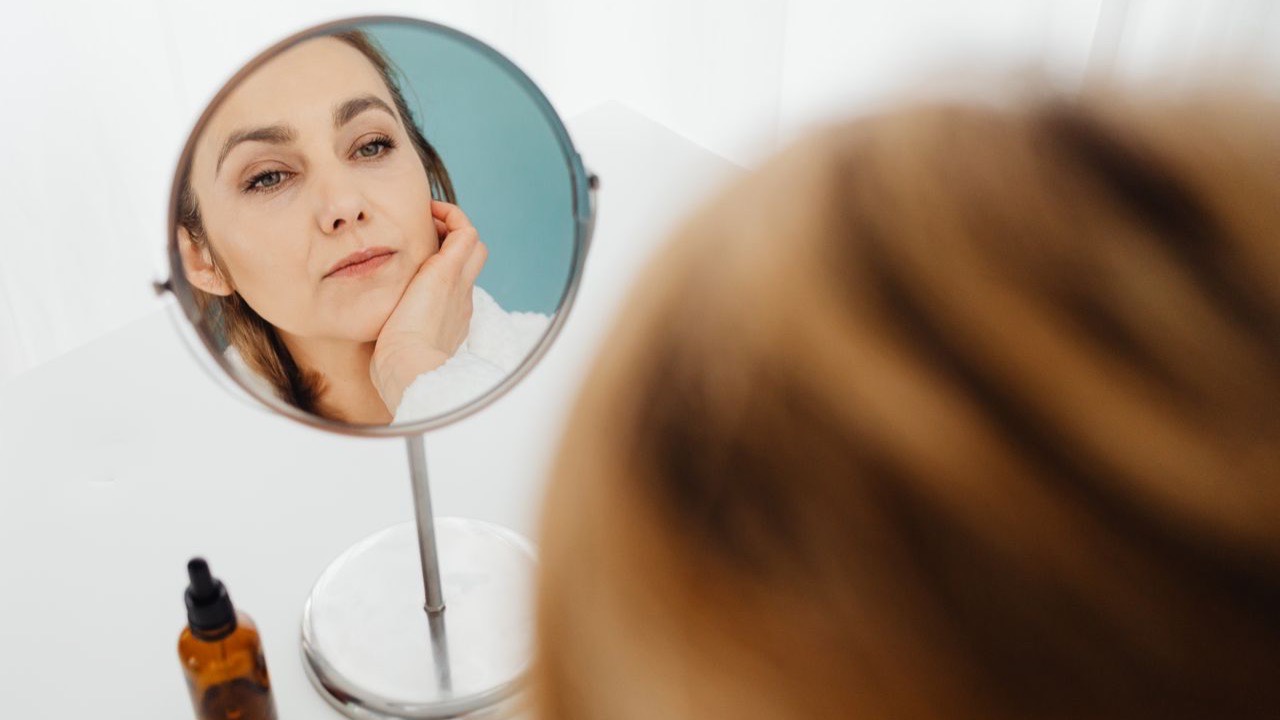
Photo by https://kaboompics.com/ from Pexels
Your body changes with age, and so do your feelings about it. The way you see yourself at 20 may be very different from how you feel at 40, 60, or beyond. These changes can come from hormones, health, relationships, pregnancy, lifestyle, or simply new priorities. Body image changes with age for many reasons. Some stages may bring more pressure, while others can bring more comfort and self-acceptance. Learning why these changes happen can make it easier to build a healthier relationship with your body at every age.
Why Our Relationship With Our Body Changes
Body image is shaped by more than what we see in the mirror. Comments from other people, social media, beauty standards, relationships, and health can all affect how women view their bodies. Physical and emotional health are closely connected, which is why women’s wellness can involve many different needs as life changes.
At the same time, changing body image is deeply personal. Two women can go through similar physical changes and feel very differently about them. As priorities change, appearance may become more or less important. Comfort, strength, health, and confidence can gradually matter more than meeting a certain beauty standard.
How Body Image Changes With Age
Body image can shift as the body, lifestyle, and priorities change. Each stage can bring different pressures. However, each one can also change what a woman values about herself and her body.
- Adolescence and early adulthood
- The 20s and 30s
- Pregnancy, postpartum changes, and motherhood
- Perimenopause and menopause
- Later adulthood
Adolescence and Early Adulthood
Adolescence can bring some of the first major changes in body image. Puberty changes the body quickly. At the same time, comparison with friends, celebrities, and social media can become stronger and harder to ignore.
For some young women, appearance may suddenly feel more important than before. They may also become more aware of beauty standards and outside opinions. Learning what feels normal and healthy for your own body can take time.
The 20s and 30s
In the 20s and 30s, body image can become tied to dating, work, fitness, clothing, and social expectations. There may be pressure to look a certain way or maintain a certain body type.
However, many women also begin to understand their bodies better during these years. They may learn which routines feel good, which clothes feel comfortable, and which beauty standards no longer matter to them. This can make personal preferences more important than outside approval.
Pregnancy, Postpartum Changes, and Motherhood
For women who become mothers, pregnancy can bring another major period of physical change. Pregnancy, birth, breastfeeding, sleep changes, and new responsibilities can all affect how a woman feels about her body.
This is one example of how body image changes with age and life experience, although this stage does not apply to everyone. The body may look and feel different after pregnancy, and adjusting can take time. Patience can be more helpful than pressure to quickly return to a previous appearance.
Perimenopause and Menopause
Body image can shift again during perimenopause and menopause. Women may notice changes in body composition, skin, hair, sleep, energy, or weight distribution.
At the same time, priorities may also change. Comfort, strength, health, and feeling good in daily life can become more important. Some women may also feel less interested in meeting beauty standards that mattered more when they were younger.
Later Adulthood
Later in life, the focus can move even further away from appearance. Walking, swimming, traveling, practicing yoga, spending time outdoors, and staying active can become more meaningful measures of well-being.
A woman may begin to value her body more for what it allows her to do and experience. Mobility, energy, independence, and comfort can become important parts of body confidence.
What to Consider Before Changing Your Appearance
Wanting to change something about your appearance is not unusual. Still, it is important to think about why you want that change and what you expect from it. Your decision should come from your own wishes, not from pressure or constant comparison.
First, you must be aware of how plastic surgery affects mental health and think carefully about your expectations. Ask yourself what you hope will change and how you expect to feel afterward.
It can also help to consider whether you have wanted the change for a long time or whether the wish appeared during a difficult period. Aesthetic changes can be a personal choice, but emotional well-being matters too. Taking time to consider both can help you make a decision that feels right for you.
Focus on What Your Body Lets You Experience
It is easy to focus on how your body looks. However, your relationship with your body can also improve when you pay more attention to what it allows you to do.
Walking, swimming, yoga, surfing, dancing, or simply spending more time outdoors can shift your focus toward movement and experience. Activities like these can also show how adventure sports can help women build confidence by putting more focus on strength, ability, and trying something new.
The goal is not to change how your body looks. It is to spend more time enjoying what your body allows you to do and experience.
Small Ways to Build a Healthier Body Image
A healthier body image does not come from forcing yourself to love every change. Small habits can make a real difference. They can help you treat your body with more care and less judgment. Building body confidence can also mean paying less attention to outside standards and more attention to how you feel in your own body.
- Notice when comparison affects you. Pay attention to situations that make you feel worse about your appearance. Appearance comparison on social media has been linked to greater body dissatisfaction.
- Think about what your body can do. Strength, movement, energy, and comfort matter just as much as appearance.
- Adjust your routines when your needs change. Your body may need different food, rest, exercise, or clothing at different stages of life.
- Ask where the pressure comes from. Before setting a new appearance goal, consider whether it reflects what you want or what others expect.
- Make time for activities that make you feel good. Movement, hobbies, travel, and time outdoors can help you focus less on appearance and more on how you feel.
These changes do not need to happen all at once. Even small shifts in how you think about your body can make daily life feel more comfortable and less focused on appearance.