
6 Ways to Help the Seniors in Your Life Stay Active
Jan 05, 2026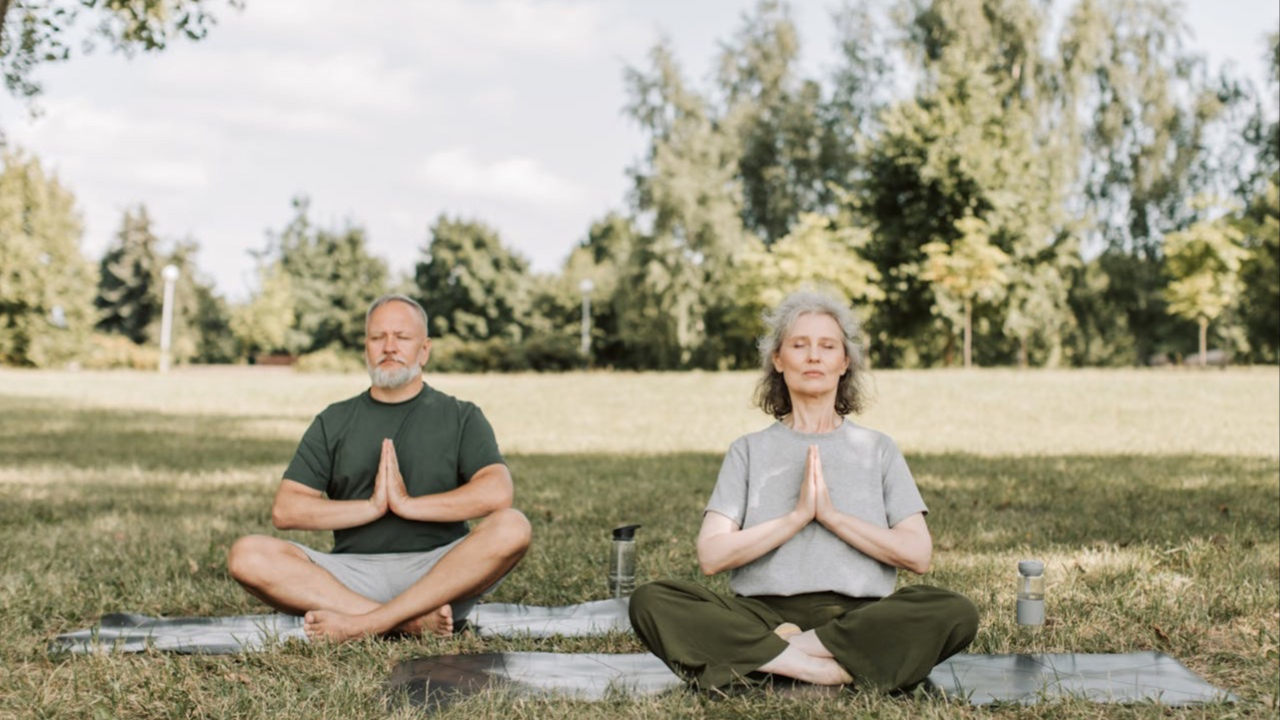
Photo by Vlada Karpovich from Pexels
Here's something we don't talk about enough: staying active gets trickier as we age, and the seniors we care about often need a gentle nudge, or sometimes a helping hand, to keep moving. It's not just about exercise, either. We're talking about the whole picture: physical health, mental sharpness, and that all-important sense of connection to the world. Maybe it's reduced mobility holding them back, or perhaps they've simply lost the motivation they once had.
Encourage Regular Walking and Low-Impact Exercise
Let's start with the basics. Walking is one of those perfect exercises that doesn't require fancy equipment, expensive gym memberships, or complicated instructions. It strengthens the heart, keeps joints flexible, and doesn't put unnecessary strain on aging bodies. The trick is making it a regular thing, and that's where you come in.
Now, not every senior can handle long walks, and that's completely okay. Chair exercises work wonders for those with limited mobility. Gentle yoga classes designed for older adults can improve flexibility and balance. Water aerobics? That's another excellent option that takes pressure off the joints while providing solid resistance training.
Foster Social Connections Through Group Activities
Here's what we know: loneliness can be just as harmful as smoking or high blood pressure. Seniors who stay socially connected tend to be more active, healthier, and happier overall. So how do you combat isolation? Start by exploring what's available in your community. Senior centers have come a long way from the bingo-and-coffee stereotype.
Does your senior loved one have a passion they've let slip away? Maybe they used to paint, garden, or play bridge. Reconnecting them with these interests through group activities can reignite that spark. And let's not forget about technology, yes, even for seniors. Teaching them to use video calls means they can connect with grandchildren across the country or join virtual groups that match their interests.
Support Involvement in Hobbies and Creative Pursuits
There's something magical about watching someone get absorbed in a hobby they love. Their eyes light up, time seems to pass differently, and suddenly they're moving, thinking, and creating without even realizing they're staying active. That's the beauty of hobbies, they provide purpose and engagement while sneaking in physical and mental exercise.
Gardening is a perfect example. It involves bending, stretching, lifting, and walking, all forms of low-impact exercise that come naturally when you're tending to plants. Plus, there's the satisfaction of watching things grow. Arts and crafts keep those fine motor skills sharp.
One often-overlooked opportunity? Encouraging seniors to share their skills with younger people. Teaching a grandchild to knit or showing a neighbor how to prune roses gives them purpose while keeping them active and engaged. The key is matching activities to their abilities and interests, then providing whatever support they need to succeed.
Facilitate Access to Safe Exercise Facilities and Programs
Sometimes the biggest barrier isn't motivation, it's access. Even seniors who want to stay active may struggle to find appropriate facilities or programs. That's where you can make a real difference by doing the research and legwork. Look into community recreation centers that offer senior programming, or specialized fitness facilities designed with older adults in mind.
Transportation often becomes the sticking point. Can you help arrange rides? Are there programs in your area that offer transportation services? These practical considerations matter more than you might think. Beyond just facilities, consider evidence, based programs specifically designed for seniors. Fall prevention classes, strength training programs, and flexibility courses address the specific needs of aging bodies.
When exploring options like assisted living communities, you'll find that places like Summer Breeze have made comprehensive wellness programs a central part of their offerings, combining structured exercise with social activities and professional guidance. Some seniors might benefit from working with personal trainers who specialize in older adult fitness. These professionals understand the unique challenges and can create customized plans that work around health concerns and physical limitations. When you remove the barriers, whether that's transportation, knowledge, or access, staying active becomes much more achievable.
Promote Outdoor Activities and Nature Engagement
Never underestimate the power of fresh air and natural surroundings. Studies consistently show that time spent outdoors improves mood, reduces stress, and encourages physical movement in ways that feel effortless. You don't need to plan elaborate hiking expeditions either. A trip to a local park with accessible paths and benches can be just as beneficial.
Think about activities that add purpose to outdoor time. Bird watching gives them something to focus on and look forward to. Photography encourages observation and exploration. Nature journaling combines creativity with outdoor engagement.
Don't forget about simple pleasures, either. Sitting in a garden, enjoying a porch with a view, or even just having coffee outdoors can provide mental health benefits. The key is being mindful of seasons and weather, making sure your senior loved one has appropriate clothing, sun protection, and stays hydrated. For those with limited mobility, accessible trails, wheelchair-friendly parks, and even scenic drive-through routes can maintain that crucial connection with nature.
Encourage Purposeful Daily Movement and Active Living
Here's a mindset shift that can make all the difference: what if we stopped thinking about "exercise" as this separate, formal thing you have to schedule and dress for? What if, instead, we focused on weaving movement naturally into daily life? This approach often feels more sustainable and less intimidating, especially for seniors who might be turned off by traditional exercise programs.
Help them identify opportunities for movement that already exist in their day. Taking stairs when it's safe to do so. Parking a bit farther from the store entrance. Doing household chores at their own pace, these all count.
Dancing is another wonderful option that doesn't feel like exercise. Whether it's a formal class, a social dance event, or just moving to favorite music at home, it combines joy with movement. The goal is shifting away from "I should exercise" toward "I naturally move throughout my day. " When activity has a purpose beyond just exercise for its own sake, seniors often feel more motivated and empowered to maintain their independence.
Conclusion
Supporting seniors to stay active isn't about forcing them into uncomfortable situations or unrealistic fitness regimens. It's about understanding their unique needs, respecting their preferences, and offering practical support that makes activity feel natural and enjoyable. The strategies we've explored, from encouraging regular walks to fostering social connections and facilitating access to appropriate programs, provide a solid foundation for helping the older adults in your life maintain their health and independence.
Every senior is different, with their own combination of abilities, interests, and health considerations. What works beautifully for one person might not suit another at all. That's why your role is so important. You know them best.