
Build Lasting Resilience with Simple Systems for Life’s Surprises
Apr 27, 2026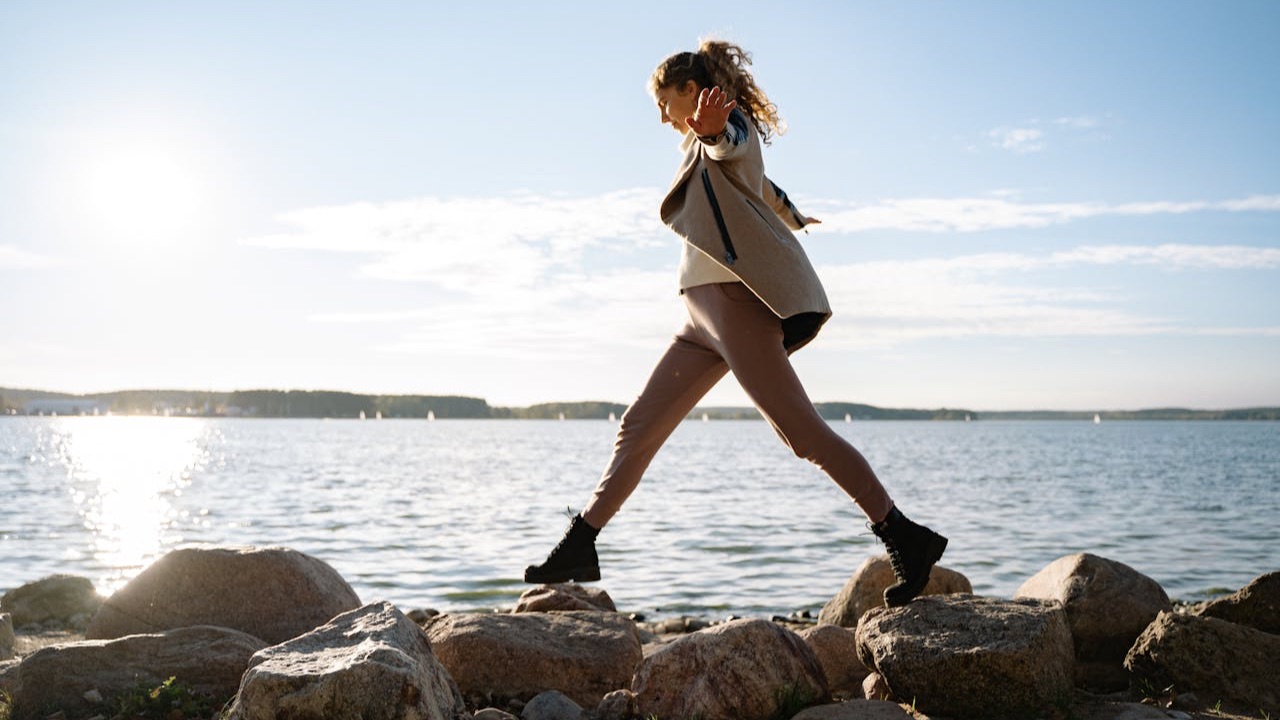
Photo by Yan Krukau from Pexels
For women seeking wellness and empowerment, those balancing yoga mats, surf sessions, careers, and healing, unexpected life disruptions like layoffs, illness, and family curveballs can land like a sudden wipeout. The hard part isn’t the ambition; it’s the shaky middle after the hit, when optimism turns into pressure and confidence disappears. That’s why life resilience design matters: treating stability like something built on purpose, with financial, emotional, and logistical systems that hold steady when plans don’t. Resilience grows from structure.
Understanding Practical Resilience Systems
Practical resilience systems are the simple setups that keep you steady when life gets loud. They blend three layers: a bit of financial stability, a few emotional regulation techniques you can use on a bad day, and logistical support like plans, lists, and people you can call. This matters because stress does not just steal your mood, it steals your decision-making. When psychological resilience is stronger, hard seasons feel less like a personal failure and more like a problem you can manage.
Small Habits That Make You Harder to Rattle
Weekly Cash Buffer Date
- What it is: Move a small, automatic amount into a separate “steady” savings account.
- How often: Weekly
- Why it helps: Money margin buys time to choose calmly, not react fast.
Two-Minute Nervous System Reset
- What it is: Do a micro-breaks pause with slow breaths and relaxed shoulders.
- How often: Daily
- Why it helps: Short pauses can support energy by boosting vigor and reducing fatigue.
Name the Feeling, Choose the Next Step
- What it is: Practice self-regulation by labeling your emotion, then picking one helpful action.
- How often: As needed
- Why it helps: It separates the moment from the story you tell about it.
Use These Tactics to Shrink the Damage Fast
When life swerves, layoff, illness, breakup, family curveball, you don’t need a perfect plan. You need a few small systems you can reach for fast, the way you’d grab your leash before paddling out.
- Do a 30-minute “damage audit” today: Open your notes app and make three lists: must-pay this month, can pause for 30 days, and people to call. This is layoff impact reduction in its simplest form: you’re cutting decision fatigue so you don’t bleed money (or energy) through a dozen tiny choices. If you’re sick, the same list becomes your “minimum viable life” plan.
- Build a mini cash buffer first (even $200): Start with a small “surfboard repair fund” amount you can actually hit, $25–$50 a week, before you worry about bigger emergency financial planning goals. Keep it separate from spending money so it doesn’t quietly evaporate. A tiny buffer turns surprises from emergencies into inconveniences, which protects your nervous system as much as your bank account.
- Simplify your routine to “Bare Minimum + One Joy”: For illness coping strategies, pick 3 non-negotiables for the day: water, one real meal, and one hygiene reset (shower or face/teeth). Then add one joy that’s realistic, 5 minutes of stretching, sitting in the sun, or listening to ocean sounds. This is routine simplification that keeps you functioning without pretending you’re “fine.”
- Run a 10-minute stress reset you can repeat anywhere: When your body is buzzing, do this sequence: 2 minutes of slow breathing, 5 minutes of gentle mobility (neck/shoulders/hips), 3 minutes of legs-up-the-wall. A study found that in a short stress-management program, four of the five measures were significantly reduced in the experimental group, proof that simple, repeatable practices can move the needle.
- Shrink the layoff blast radius with one transferable-skill block: Set a timer for 45 minutes, twice a week, to build something portable: a small project plan, a sample dashboard, a short lesson outline, a refreshed resume bullet. The Inside Higher Ed advice to diversify your professional portfolio is basically career insurance, you’re making it easier to pivot without begging your stressed brain to reinvent you overnight.
Common Questions About Practical Resilience
Q: What are the most effective ways to build a cash buffer that can protect me during sudden financial setbacks?
A: Start with a tiny, specific target you can hit fast, like $200 to cover a bill or travel change fee. Automate a weekly transfer into a separate account so it does not mingle with spending money. Then step it up in phases: one month of essentials, then two, then three.
Q: What simple logistical systems can I create to make my daily life more resilient when disruptions occur?
A: Keep a “grab list” in your notes app: meds, key contacts, account logins, and the next three bills due. Add one backup for each friction point, like a spare charger, a pantry meal, and a preset ride option. Once a month, do a five-minute refresh.
Q: In the event of a large unexpected expense, how can leveraging my home’s equity provide a safety net without adding undue stress?
A: Treat it as an option, not a reflex: first define what the money is for, the exact amount, and your payback plan. Compare loan types, check rates and terms with a rate-research tool, including current home equity loan rates, and confirm all fees before you commit. If education costs are part of the surprise, understanding the Expected Family Contribution from your FAFSA application can clarify what help might be available.
Build Resilience That Holds When Life Changes Fast
When life throws a curveball, a strong mindset helps, but without structure, it’s easy to slide back into scrambling. The steadier approach is pairing belief with simple systems: sustainable routines, practical resilience tools, and a few logistical backups that keep emotions from running the whole show. Mindset sets the direction; structure keeps you steady when the swell rises. If you want support turning these ideas into repeatable habits, consider structured coaching through SwellWomen’s empowerment coaching. That kind of steady framework matters because it protects your health, confidence, and freedom, no matter what shows up next.