
Flow State & Body Mechanics: Smart Ways to Keep Your Body Adventure-Ready
Mar 16, 2026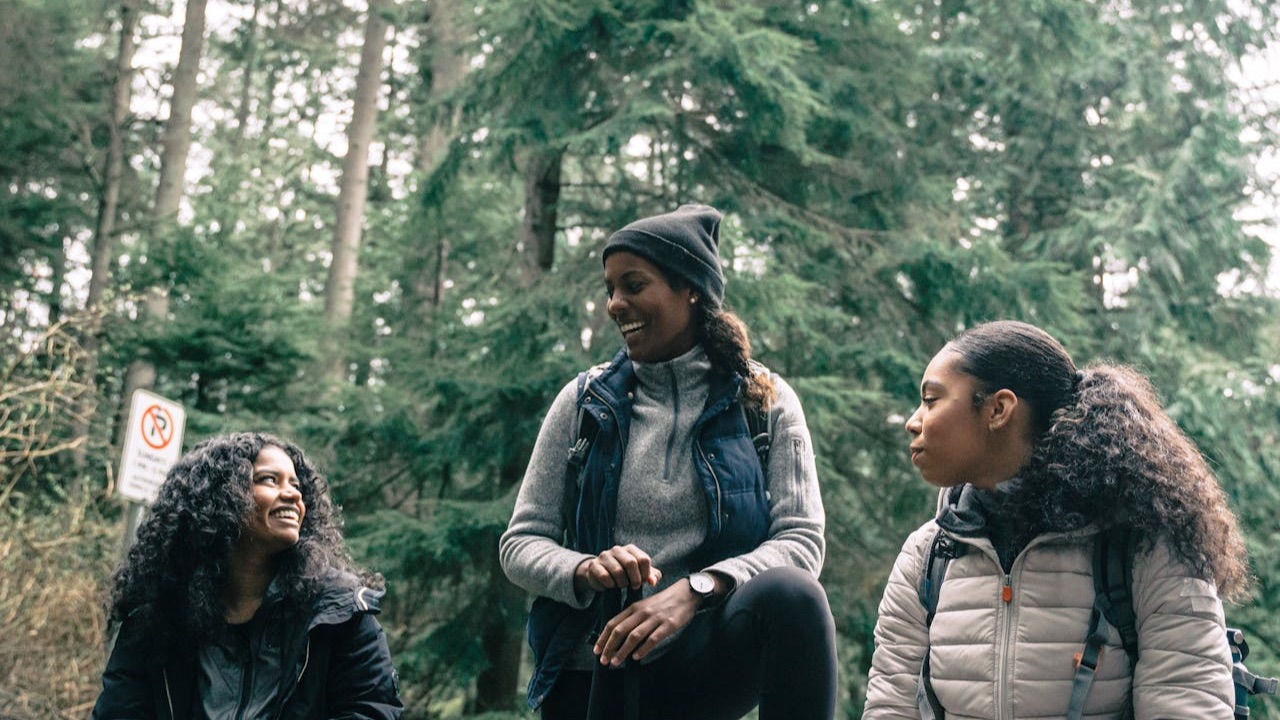
Photo by PNW Production from Pexel
Outdoor adventures, athletic pursuits, and long weekends spent exploring new terrain all require a body that can move with ease and respond quickly to changing conditions. Many people think of adventure readiness as a matter of fitness alone. In reality, it is a combination of strength, mobility, alignment, mental clarity, and intentional recovery. When all of these elements work together, the body enters a flow state where movement feels natural and effort feels efficient. Achieving this balance is not accidental. It comes from understanding body mechanics and choosing habits that support fluid, resilient movement.
Understanding Flow State Through the Lens of Movement
Flow state is often described as total immersion in an activity. Athletes refer to it as being in the zone. Movement feels intuitive and the mind stays focused without distraction. Although flow is usually associated with mental performance, the body plays a crucial role in enabling it. Poor alignment, tight muscles, or old injuries can disrupt concentration and make movement feel strained or unpredictable.
Improved mechanics help the nervous system communicate clearly with muscles and joints. When movement patterns are smooth, the brain receives reliable feedback. This sense of stability makes it easier to maintain focus and rhythm. Whether someone is trail running, skiing, rock climbing, or paddling, flow state depends on the ability to move without barriers caused by pain or compensation.
Understanding this mind body interaction helps highlight why physical preparation is an essential part of achieving peak performance during adventure activities.
Building Strength That Supports Functional Movement
Strength training is often associated with muscle building, but functional strength is more about stability and balance. Adventure activities demand multidirectional control. Trails are uneven, mountains require varied foot placement, and water sports rely on core stability. Traditional isolated exercises offer limited benefits unless they translate to movement patterns used outdoors.
Functional strength routines focus on movements such as squats, lunges, hinges, carries, and rotational exercises. These patterns train muscles to work together, which improves stability and reduces the risk of injury. Strong hips protect the knees. A stable core supports the lower back. Well conditioned shoulders help with climbing, paddling, and backpacking.
Strength is a long term investment. Building a consistent routine that includes both resistance training and body weight exercises creates a foundation that prepares the body for more demanding adventures while minimizing strain on joints and connective tissues.
Mobility and Flexibility as the Gateways to Better Mechanics
Strength alone does not guarantee fluid movement. Tight muscles can restrict range of motion and force the body to compensate with awkward mechanics. This is a common reason for injuries that appear suddenly even when the underlying problem developed gradually.
Mobility work helps maintain joint freedom and healthy movement patterns. Areas that tend to become tight in active individuals include the hips, hamstrings, calves, upper back, and shoulders. Regular stretching, dynamic warm ups, and practices like yoga or mobility flows improve flexibility and support balanced movement.
Mobility also influences breathing patterns. When the ribcage, spine, and diaphragm move freely, oxygen intake improves. Efficient breathing enhances endurance and helps maintain a calm mental state, which supports flow. Intentional mobility routines can be scheduled before activity to prime movement and after activity to support recovery.
Recovery Habits That Protect Long Term Performance
Adventurous lifestyles often push the body into repeated cycles of stress and adaptation. Without adequate recovery, small strains accumulate and eventually limit performance. Recovery is not simply rest. It includes hydration, nutrition, sleep, and tissue care.
Hydration supports joint lubrication and prevents muscle fatigue. Balanced meals with adequate protein and micronutrients repair tissues and stabilize energy. Sleep restores the nervous system and helps muscles rebuild. Simple practices such as walking, gentle stretching, or foam rolling the day after a strenuous adventure reduce stiffness and help the body clear metabolic waste.
Professional support can also play an important role when discomfort begins to interfere with performance. Working with a specialist such as a local chiropractor in Seattle or your area can help improve alignment, identify movement imbalances, and support long term joint health. This guidance helps athletes and weekend adventurers maintain the mobility and symmetry needed for safe, effective movement.
Preparing Your Mind and Body for Adventures of All Kinds
Adventure readiness is as much about mental preparation as physical conditioning. The mind guides the nervous system, which influences balance, muscle engagement, and reaction time. Mindfulness practices improve focus and help manage stress during challenging terrain or high intensity activities.
Visualization techniques can prepare the brain for movement sequences, especially in sports like climbing, skiing, or trail running where anticipation plays a major role. Breathing exercises improve concentration and help maintain steady energy output.
Combining mental strategies with intentional physical training creates the conditions for seamless movement. This is where flow state becomes most accessible. When the mind is clear and the body is prepared, natural coordination emerges and movement feels effortless.
Conclusion
Staying adventure-ready is not simply about staying fit. It requires attention to alignment, strength, mobility, recovery, and mental clarity. When these elements work together, the body moves with ease and the mind stays focused, creating the ideal conditions for flow state. Whether you go surfing or explore mountain trails, ocean waves, forest paths, or urban adventures, building smart habits supports longevity and enhances enjoyment. With thoughtful preparation, every outdoor experience becomes an opportunity to feel stronger, more capable, and more in tune with the rhythm of movement.