
How Your Diet Affects Your Oral Health: Foods to Eat and to Avoid
Mar 02, 2026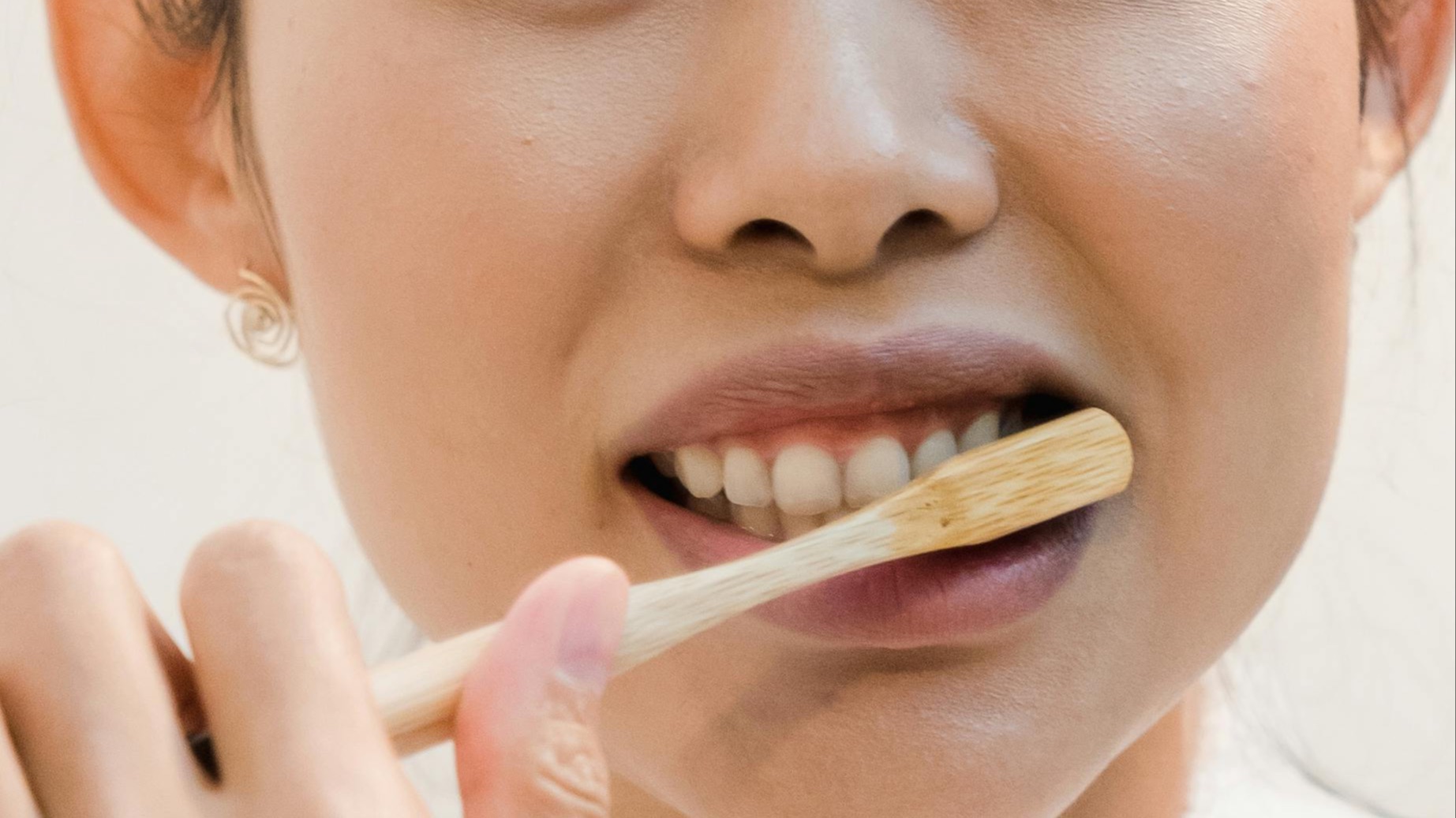
Photo by Greta Hoffman from Pexels
Your mouth keeps score on what you eat. Every smoothie bowl, airport snack and post-surf coffee run can either strengthen or weaken your enamel and gums. Here’s how diet shapes your oral health, and how to know what foods to lean on and which ones to avoid.
The Connection Between Food and Your Smile
You already know food affects your energy, skin and mood. However, many people tend to forget that gums are in the same mix. Every time you eat, you change what is happening in your mouth. The bacteria living there get fed, your saliva shifts, and your enamel either gets a chance to recover or takes another hit.
That’s the core of how diet affects oral health. It’s less about one perfect meal and more about consistent patterns like what you snack on, choose for regular meals and drink on a daily basis.
The good news is that a few simple choices can help you enjoy a healthy smile, strong enamel, calmer gums, decreased sensitivity and less drama at your next cleaning. You can still have fun food, as long as you know what’s happening behind the scenes.
Tooth Decay 101
Tooth decay sounds intense, but the basics are pretty straightforward. Some of the bacteria in your mouth love sugars and starches. They create acid when they eat this, which weakens enamel. Over time, that can lead to tiny holes that turn into bigger cavities.
It’s because of those bacteria that “healthy” snacks may still cause issues. Things like dried fruit, crackers, sweetened coffee and granola bars can all similarly feed mouth bacteria. However, that’s not to say you can’t have any of those things. Instead, you need to understand the process so you can work with it rather than against it.
Think of plaque as a sticky layer that clings to your teeth. It forms constantly, and when you eat foods that break down sugars in your mouth, plaque bacteria become busy. It produces acid as a waste product, and that pulls minerals out of your enamel. If this happens repeatedly, it can lead to tooth decay. Brushing only cleans about 60% of the tooth, so thinking about what you eat is helpful.
You might not feel anything at first, but if the enamel keeps weakening, a cavity can form and sensitivity will quickly set in. The earlier you interrupt the cycle, the easier and healthier things will be.
Where pH Fits In
pH is a measure of how acidic something is. Lower pH means higher acidity. The more acidic your mouth stays, the more difficult it is for enamel to rebuild and recover. Some foods are naturally acidic, and many drinks are especially so. Even lightly acidic beverages sipped throughout the day can keep your mouth in a rough spot.
Acid is a normal part of life, and your teeth can handle some of it. However, issues crop up when there is frequent acid exposure with very little break in between. That’s when enamel starts losing the war.
Why Snacking Matters
Your mouth has a very particular rhythm throughout the day. It becomes acidic when eating, and saliva helps bring things back toward neutral. So, the problem is not the cookie, but rather constant grazing that doesn’t give your mouth a chance to get back to neutral.
If you snack or sip all day, your teeth get fewer chances to recover. It’s like a wave that keeps coming before the sand can settle again. This can happen even with healthy alternatives like kombucha, flavored sparkling water and even lemon water.
Saliva helps wash away food bits and neutralize acids. It supports remineralization to help strengthen enamel. Hydration, chewing fibrous foods and taking breaks between snacks help with this.
Foods That Support Strong Teeth and Healthy Gums
This is the fun part, where you get to add things in. You can build a more tooth-friendly diet without turning meals into a science experiment. Start with foods that support enamel, encourage saliva and give your gums what they need to stay calm.
No single superfood will “fix” your teeth, but a steady mix of supportive foods makes your mouth feel better over time. You might feel less sensitivity, notice cleaner-feeling teeth and have better breath in general.
Crunchy fruits and veggies act like gentle scrubbers. They help remove soft plaque buildup while you chew and stimulate saliva production to help balance acid levels. Apples, celery, cucumbers, bell peppers and snap peas are all great options.
Your enamel relies on minerals like calcium and phosphorus, so you’ll want to add those into your diet regularly. Dairy is an easy choice if you tolerate it. For example, yogurt and milk are helpful mineralizers. Unsweetened versions are usually best. If you are dairy-free, look for fortified plant milks or tofu. Seeds and nuts, especially almonds, can be a good source of calcium and phosphorus, too.
Gums love a steady intake of protein and nutrients that support healthy tissue. Protein helps your body repair and maintain itself. Omega-3 fats are often linked to reduced overall inflammation, including in the gums.
Consider salmon or sardines if you eat fish. Eggs, beans, lentils and chickpeas are all good options, as well.
When you’re on the go, you want snacks that don’t cling to your teeth and bathe your mouth in sugar. A few easy options are cheese sticks, plain yogurt, nuts, sliced veggies, hard-boiled eggs and water. If you enjoy smoothies, keep them less sugary and drink them without snacking for hours. You can also include chia seeds, which are another great source of phosphorus.
Food and Drinks That Can Wear Down Enamel
You don’t have to get rid of all your favorite treats. Instead, you just need to know which ones tend to stick around and stir up trouble.
Sugar is the classic culprit because plaque bacteria love it. Sticky foods can also be extra annoying because they cling and wedge into grooves near the gumline. That means that even if it was a small amount of food, it can have a long afterparty in your mouth. Common items to watch out for include:
- Candy and caramels
- Dried fruit like raisins, dates and mango strips
- Granola and energy bars
- Sweetened yogurt and flavored oat cups
- Sweet coffee drinks
If you love dried fruit, try having it with a meal rather than on its own. Pair it with something that doesn’t stick as much, like nuts or plain yogurt. It’s a small change, but you will notice a difference the more consistent you are with this.
Acidic foods are sneaky because they can feel healthy. Citrus, vinegar drinks, kombucha and even sparkling water with flavorings can cause issues. If something tastes sharp or tangy, it is usually acidic. Acid has the ability to directly soften enamel. If you brush your teeth right afterward, you scrub enamel that’s already tender. Frequent sources are:
- Soda and diet soda
- Sports and energy drinks
- Kombucha
- Citrus water
- Citrus fruits eaten consistently for an extended period
- Wine and cocktails with citrus mixers
Although citrus is a common culprit, there’s no need to fear it. Just avoid turning it into a constant in your diet. Enjoy it once in a while and follow it with water to give your mouth a break and protect your teeth.
Starches do not always taste sweet, but your saliva breaks them down into sugars fast. They can also get stuck in small grooves in your molars. Chips and crackers are the classic offenders here, but you should also look out for white bread, pastries and pretzels.
If you do snack on these, do it once instead of slow grazing and then rinse with water. You can also have them with meals, drink water afterward and avoid brushing for a little while, as your enamel might be softer after having acidic foods.
Simple Habits to Make Normal Eating More Tooth-Friendly
There are a few habits that fit into daily life that can help you keep your teeth healthy and gums happy:
- Finish acidic drinks faster rather than drinking them for an hour. Slow sipping keeps your mouth acidic for longer.
- Use a straw for acidic beverages whenever possible. It can reduce the amount of acid that washes over your front teeth.
- Wait a bit before brushing after something acidic. Rinse with water first and give your enamel time to firm up.
- Choose water as your default between meals. Water helps rinse your mouth and supports saliva.
- Chew sugar-free gum occasionally, especially after meals, as it can boost saliva and help clear food bits.
Smile and Wave
You don’t need to eat like a monk to keep your smile bright. Aim for supportive food most days, and limit the sugary and acidic stuff. Your teeth want fewer surprise attacks and more recovery time. So, next time you’re packing snacks for a beach day or grabbing something at the airport, choose with your smile in mind.