
Scalp to Strand: Natural Ways to Nourish Hair from the Inside Out
Jan 12, 2026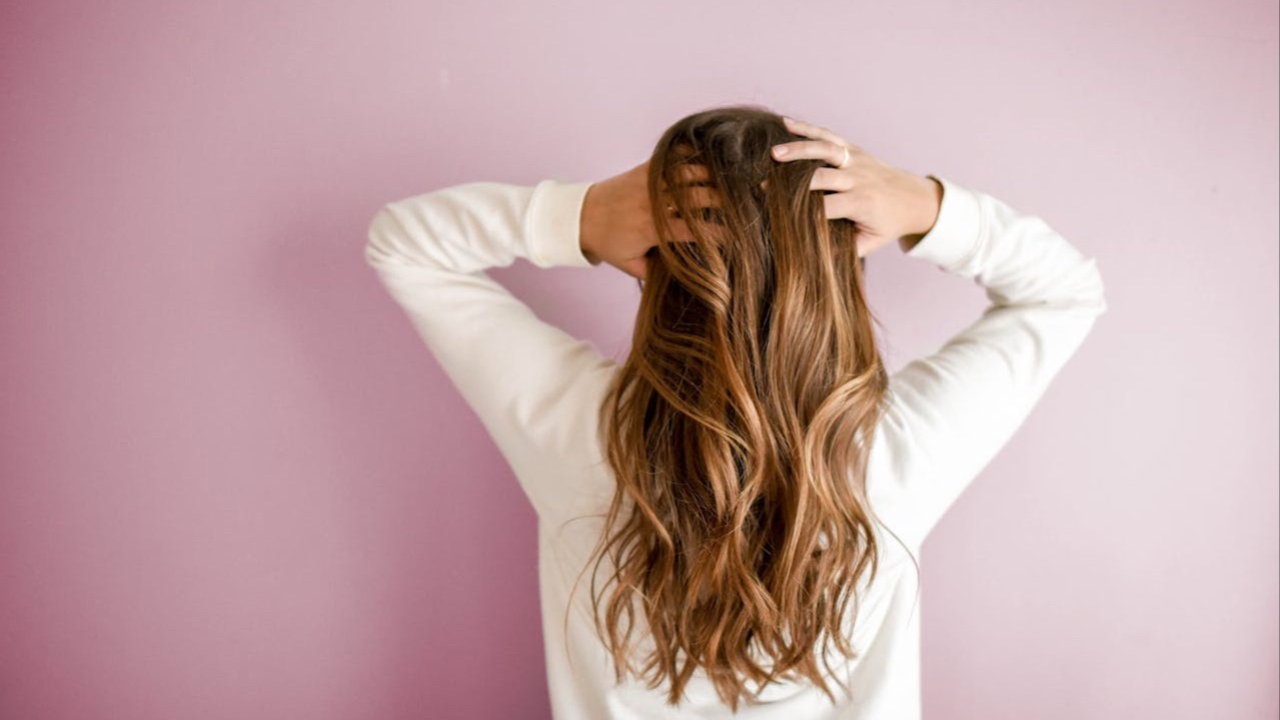
Photo by Element5 Digital from Pexels
We have all looked in the mirror, wondered why our hair does not look as shiny and healthy, like we see in hair advertisements, and ran our fingers through our hair. The general principle is that having beautiful hair is more than just what products you use, it also encompasses what you eat and the care you give your scalp.
Those nutrients from a healthy diet are reflected in each hair strand. Your scalp and hair can be compared to gardens, if you don't provide your garden with proper water, sunlight and nutrients you can't expect to produce beautiful flowers. The same goes for your scalp. You can't just nourish your hair with surface level treatments and not think about the internal nutrients that are needed for the hair shafts to be strong and healthy.
-
The Foundation: What Your Hair Actually Needs
The primary component of hair is a protein called keratin, therefore, it is essential to have an adequate intake of protein for the proper functioning of healthy hair. It is not enough to simply eat some chicken each day to provide this protein. Your hair also needs a variety of other nutrients including certain amino acids, vitamins and minerals such as biotin, zinc, iron and vitamins A, C, D and E. Omega-3 fatty acids and complex B vitamins also contribute to the overall health of your hair and are a vital part of the cycle of hair growth.
The number one reason people lose their hair is because they are deficient in iron. In women, one of the most common causes of hair loss is due to a lack of iron in their diets. If your body does not have enough iron, it will place a higher priority on keeping your vital organs healthy than keeping your hair healthy. Inadequate protein intake can push hair follicles into a resting phase, which means they stop producing new hair altogether.
The best way to alleviate these deficiencies is through your diet and the natural food sources. Fatty fish like salmon and mackerel provide the omega-3 fatty acids your scalp requires to support the thickness of your hair. Eggs are one of nature's best foods for your hair because they are rich in protein, biotin and selenium.
Spinach is a source of iron, folate, vitamins A and C, which help generate sebum (i.e., natural conditioner) for your scalp. Nuts and seeds, such as walnuts and flaxseeds, are good sources of zinc and selenium; these two minerals keep your scalp healthy and prevent hair breakage.
-
The Scalp Connection You Can't Ignore
Many people tend to forget this fact: Your scalp is skin and healthy skin produces healthy hair. If your scalp environment is unhealthy (due to inflammation, lack of blood flow, build-up, etc.), then the hair that grows out of the follicles on that unhealthy scalp will be of lower quality. Scalp massages have therapeutic benefits.
Five minutes a day of scalp massage helps promote and provide better blood flow to the hair follicles, contributing to a better supply of oxygen and nutrients. You can add to your scalp massage by using essential oils like rosemary oil. Research suggests rosemary oil may work just as well or better than some of the conventional treatments used to promote hair growth.
Peppermint oil provides a cooling effect on the scalp and promotes circulation to the scalp. Castor oil has been around for centuries and has traditionally been used to strengthen hair and support thickness. Establishing a weekly ritual to treat your scalp can begin to improve the quality of your hair over time. To create your own weekly scalp treatment, combine a few drops of your favorite essential oil with a carrier oil such as coconut or jojoba.
Lightly warm the mixture and massage it into your scalp before going to bed. Wash it out in the morning. This simple practice cleanses follicles, reduces inflammation, and creates an optimal environment for growth.
-
Modern Solutions: Understanding PRP for Hair Loss
Natural treatments form the basic building blocks for healthy hair, but sometimes additional approaches will be necessary, especially when it comes to genetic hair loss and other cases of significant thinning of the hair. PRP for hair loss serves as a path between natural healing and medical intervention.
With the use of Platelet Rich Plasma therapy, you are using your own body's healing capabilities. In order to use PRP, a sample of the patient's blood is taken from them, processed in a manner which will allow for concentration of the platelets, and then the concentrated platelets are injected into the scalp of the patient.
The platelets contain factors that can stimulate previously dormant hair follicles, increase the thickness of hair, and also increase the entire amount of hair density. One of the largest advantages of using PRP therapy is that since the patient is using their own blood, there is virtually no risk of allergic reaction or rejection from the body.
As with any hair loss treatment, PRP is not a one-time solution. Generally speaking, patients will usually have three to four initial treatments spread approximately one month apart and then maintain it with one or two periodic treatments. Within three to six months of receiving PRP therapy, a patient generally will see an improvement in hair thickness and less shedding of the hair.
Combination therapy of PRP together with a healthy diet and lifestyle works best for all forms of thinning hair. PRP provides an immediate boost to the hair follicles, while the support from these three areas will help maintain the thinning hair follicles over the long term. In particular, PRP has proven to be very effective for individuals suffering from androgenetic alopecia (genetic hair loss) who wish to pursue non-drug alternatives or have been unsuccessful using medications to treat their condition.
-
Lifestyle Factors That Make or Break Hair Health
Chronic stress is one of the main causes of hair loss. Stress can cause the hair follicles to enter into a resting phase prematurely and then experience hair loss several months later. This is often why people will find themselves losing hair after experiencing significant life changes or extended periods of high anxiety.
Managing stress through consistency in your daily routine, including exercise, meditation, sleep, and doing things that you enjoy, will not only help your mental well-being, but will also be beneficial to your hair. In particular, sleep is when your body performs all of its cellular repair and regeneration, including the cells in your hair follicles.
In order to give your body the maximum time for repairing and regenerating its cells, you should obtain at least seven to nine hours of high-quality sleep. Hydration is another commonly overlooked factor to consider in your daily routine. Not only does drinking plenty of water help keep your body functioning by supporting every bodily function that supports your healthy hair, but also dehydration will cause your hair to break more easily, making it more brittle and weaker.
Conclusion: Creating Your Personal Hair Nourishment Plan
When it comes to caring for your hair, creating long-term habits that promote healthy hair growth and overall wellness through proper nutrition is critical. The foods you eat impact how strong your hair grows and what conditions exist on your scalp for the health of your hair, so take time now to evaluate your diet are you including enough protein, healthy fats and fruits and vegetables?
Adding a handful of nuts each day, eating fatty fish two or three times each week and ensuring you consume iron-rich foods regularly can all contribute to more vital and healthier hair. To improve your hair's growth, develop a scalp care regimen that includes more than just shampooing; weekly oil treatments, gentle exfoliation (to help remove buildup), and doing head massages every day will help to improve the scalp environment to create some of the best conditions possible for hair growth.
Please be patient! Hair takes time to grow, approximately 1/2 inch (1.25 cm) per month, so results will take quite some time to show from the things you are doing to create a healthy scalp and healthy hair. Don't hesitate to see a dermatologist if you are losing or thinning hair. A doctor can find out if there are problems with hormones or nutrition and can discuss whether PRP for hair loss or another treatment would be helpful in your case.
Your hair is an investment for the future. The things you do today will affect what your hair looks like months into the future. By feeding your body well from the inside and treating your scalp well, you will not only make your hair look good but also help improve your overall health and wellbeing. This kind of beauty is much deeper than any topical solution can provide.